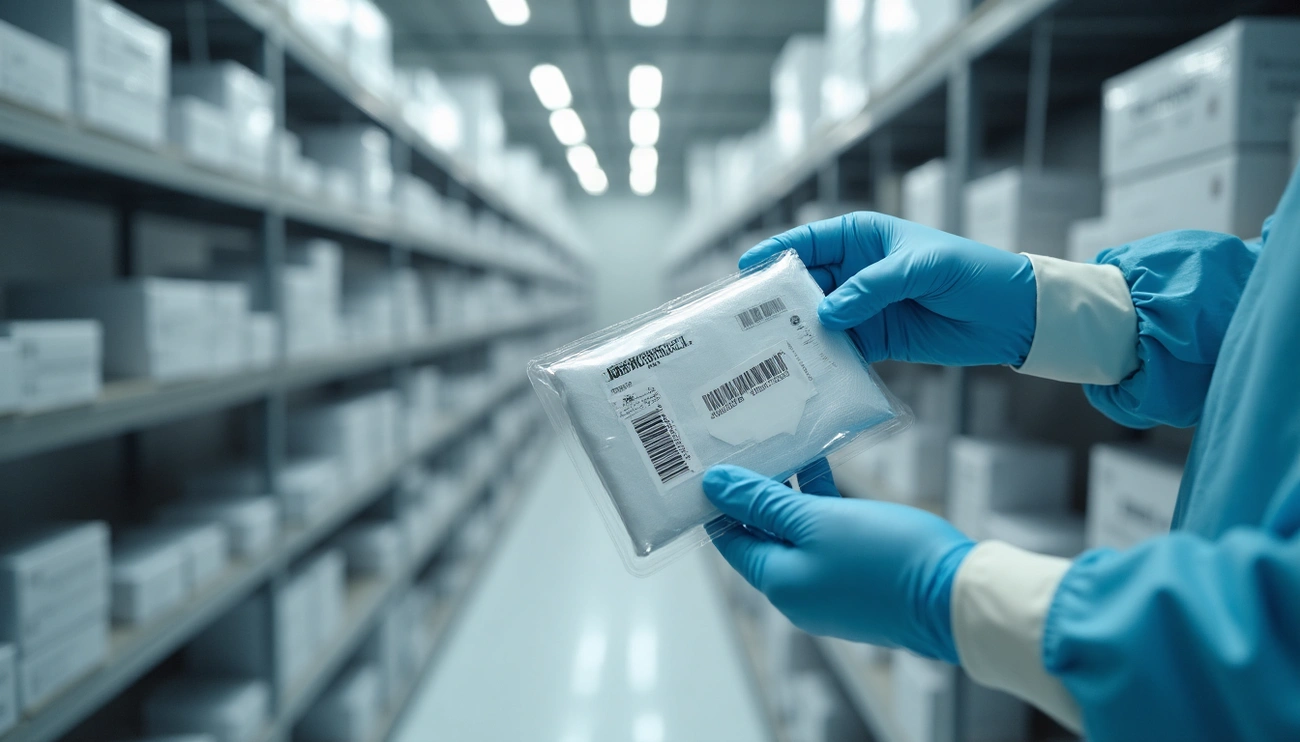
The medical device industry operates under some of the most stringent regulatory requirements in manufacturing. From FDA compliance to ISO 13485 standards, manufacturers face complex challenges that demand precision, traceability, and operational excellence. A robust medical device erp system serves as the foundation for operational excellence in today’s regulated manufacturing environment, enabling companies to navigate these complexities while maintaining growth and profitability.
The bottom line on operational excellence in medical device manufacturing is clear: companies that implement comprehensive ERP medical device solutions consistently outperform those relying on disconnected systems. Leading manufacturers have discovered that implementing a medical device erp system dramatically improves their compliance and efficiency, with some reporting up to 14% faster product delivery times and 10% improvement in on-time order delivery.
The Challenge: Navigating Complex Regulatory Requirements
Medical device manufacturers face unique operational challenges that set them apart from other industries. The regulatory landscape demands complete traceability from raw materials to finished products, comprehensive documentation for every process, and the ability to quickly respond to quality issues or recalls.
What makes this particularly challenging is the need to balance regulatory compliance with operational efficiency. Many growing medical device companies find themselves caught between basic accounting software that can’t handle their complexity and enterprise solutions that are too expensive or cumbersome for their current size.
The manufacturing environment itself adds another layer of complexity. Whether producing surgical instruments, diagnostic equipment, or implantable devices, manufacturers must maintain lot tracking, manage consigned inventory, and coordinate with multiple suppliers while ensuring every step meets regulatory standards.
Real-World Success: How Trimedyne Transformed Operations
Trimedyne, a surgical laser manufacturer, exemplifies how the right medical device manufacturing software can transform operations. Before implementing Expandable’s ERP solution, the company struggled with limited control and visibility across their operations, relying on standalone systems that couldn’t provide the integrated view necessary for effective decision-making.
The challenge was particularly acute in their FDA compliance management. With surgical lasers requiring precise documentation and traceability, Trimedyne needed a system that could track every component through the manufacturing process while maintaining the detailed records required for regulatory submissions.
When evaluating ERP medical device solutions, Trimedyne prioritized integration capabilities and regulatory compliance features. The implementation of Expandable’s system provided them with a single database that integrated all their operations, from procurement through shipping.
The results were immediate and measurable. Trimedyne gained comprehensive transaction tracking across all departments, enhanced FDA compliance management through automated documentation, and improved operational control that allowed them to scale their operations efficiently. The single database approach eliminated the data silos that had previously hampered their ability to respond quickly to quality issues or customer inquiries.
As one Trimedyne executive noted, the transformation wasn’t just about technology—it was about gaining the visibility and control necessary to operate at the level their customers and regulators expected.
Scaling Success: IntegenX’s Growth Journey
IntegenX represents another compelling case study in how a medical device erp system can support rapid growth while maintaining compliance standards. As a med-tech startup, IntegenX initially operated with basic accounting software and spreadsheets—a common scenario for early-stage medical device companies.
The limitations of this approach became apparent as the company began scaling operations. Managing bill of materials, tracking lot numbers, coordinating with contract manufacturers, and maintaining the documentation required for FDA submissions became increasingly complex and error-prone.
The company recognized that their growth trajectory required more sophisticated medical device manufacturing software that could grow with them. The implementation of Expandable’s ERP system marked a turning point in their operational capabilities.
The transformation was comprehensive. IntegenX established robust processes that automated many of their previously manual operations, gained enhanced production visibility that allowed them to identify bottlenecks before they impacted delivery schedules, and improved their coordination with contract manufacturers through better data sharing and communication.
Perhaps most importantly, the system provided the scalability they needed. As IntegenX continued to grow, their ERP system adapted to support new product lines, additional manufacturing partners, and expanded regulatory requirements without requiring a complete system overhaul.
The company successfully scaled their operations while maintaining compliance, demonstrating how the right technology foundation can support sustainable growth in the medical device industry.
Industry Trends Driving ERP Adoption
The medical device industry is experiencing significant transformation, with several trends driving increased adoption of integrated ERP medical device solutions. Supply chain reconfiguration, particularly the shift toward onshoring and nearshoring, requires manufacturers to manage more complex multi-site operations while maintaining visibility and control.
The integration of artificial intelligence and advanced analytics into manufacturing processes demands systems that can collect, analyze, and act on data in real-time. Traditional standalone systems simply cannot provide the integrated data foundation necessary for these advanced capabilities.
Regulatory requirements continue to evolve, with increasing emphasis on digital documentation and traceability. The FDA’s focus on software as a medical device (SaMD) and the growing complexity of connected medical devices require manufacturers to maintain even more detailed records and demonstrate comprehensive quality management.
Workforce transformation is another critical factor. As the industry faces skills shortages and the need for digital literacy, user-friendly systems that can support both experienced professionals and new hires become essential for maintaining operational continuity.
Key Benefits Driving Operational Excellence
Modern medical device manufacturing software delivers operational excellence through several key capabilities. Complete traceability from raw materials through finished products ensures regulatory compliance while providing the visibility necessary for quality management and recall procedures.
Integrated quality management systems automate many compliance procedures, reducing the risk of human error while ensuring consistent application of quality standards. This integration is particularly valuable for managing corrective and preventive actions (CAPA), which require coordination across multiple departments and detailed documentation.
Financial control and cost management capabilities provide manufacturers with real-time visibility into production costs, material usage, and labor efficiency. This visibility enables more accurate pricing decisions and helps identify opportunities for operational improvement.
The ability to support multiple manufacturing modes—discrete, process, and project-based production—within a single system is particularly valuable for medical device manufacturers who often produce different product types requiring different approaches.
Implementation Best Practices for Success
Successful implementation of a medical device erp system requires careful planning and attention to industry-specific requirements. The most successful implementations begin with a clear understanding of regulatory requirements and how the system will support compliance processes.
Change management is particularly critical in the medical device industry, where established procedures and documentation practices are often deeply ingrained. Training programs must address not just how to use the new system, but how it supports and enhances existing quality management practices.
Data migration requires special attention to maintaining traceability and audit trails. Medical device manufacturers cannot afford to lose historical data that may be required for regulatory submissions or recall procedures.
Integration with existing systems, particularly quality management and document control systems, must be planned carefully to ensure seamless operations during the transition period.
The Path Forward: Choosing the Right Solution
For medical device manufacturers evaluating ERP solutions, the focus should be on systems specifically designed for regulated industries. Generic ERP systems often lack the specialized features necessary for medical device compliance and traceability requirements.
Expandable’s medical device ERP system provides the industry-specific functionality that growing medical device manufacturers need, with features like surgical kit modules, integrated quality management, and comprehensive traceability capabilities.
The investment in a proper medical device erp system pays dividends through improved efficiency, reduced compliance risk, and the scalability necessary to support growth. As the case studies of Trimedyne and IntegenX demonstrate, the right system becomes a competitive advantage that enables operational excellence.
Companies ready to explore how ERP can transform their operations can learn more about Expandable’s success storiesand see how other medical device manufacturers have achieved operational excellence through strategic technology implementation.
The bottom line is clear: in an industry where precision, compliance, and efficiency are non-negotiable, a specialized medical device erp system isn’t just a technology investment—it’s a strategic imperative for sustainable growth and operational excellence.