The medical device industry operates under some of the most stringent regulatory requirements in manufacturing. From FDA compliance to ISO 13485 standards, manufacturers face complex challenges that demand precision, traceability, and operational excellence. A robust medical device erp system serves as the foundation for operational excellence in today’s regulated manufacturing environment, enabling companies to navigate these complexities while maintaining growth and profitability.
The bottom line on operational excellence in medical device manufacturing is clear: companies that implement comprehensive ERP medical device solutions consistently outperform those relying on disconnected systems. Leading manufacturers have discovered that implementing a medical device erp system dramatically improves their compliance and efficiency, with some reporting up to 14% faster product delivery times and 10% improvement in on-time order delivery.
The Challenge: Navigating Complex Regulatory Requirements
Medical device manufacturers face unique operational challenges that set them apart from other industries. The regulatory landscape demands complete traceability from raw materials to finished products, comprehensive documentation for every process, and the ability to quickly respond to quality issues or recalls.
What makes this particularly challenging is the need to balance regulatory compliance with operational efficiency. Many growing medical device companies find themselves caught between basic accounting software that can’t handle their complexity and enterprise solutions that are too expensive or cumbersome for their current size.
The manufacturing environment itself adds another layer of complexity. Whether producing surgical instruments, diagnostic equipment, or implantable devices, manufacturers must maintain lot tracking, manage consigned inventory, and coordinate with multiple suppliers while ensuring every step meets regulatory standards.
Real-World Success: How Trimedyne Transformed Operations
Trimedyne, a surgical laser manufacturer, exemplifies how the right medical device manufacturing software can transform operations. Before implementing Expandable’s ERP solution, the company struggled with limited control and visibility across their operations, relying on standalone systems that couldn’t provide the integrated view necessary for effective decision-making.
The challenge was particularly acute in their FDA compliance management. With surgical lasers requiring precise documentation and traceability, Trimedyne needed a system that could track every component through the manufacturing process while maintaining the detailed records required for regulatory submissions.
When evaluating ERP medical device solutions, Trimedyne prioritized integration capabilities and regulatory compliance features. The implementation of Expandable’s system provided them with a single database that integrated all their operations, from procurement through shipping.
The results were immediate and measurable. Trimedyne gained comprehensive transaction tracking across all departments, enhanced FDA compliance management through automated documentation, and improved operational control that allowed them to scale their operations efficiently. The single database approach eliminated the data silos that had previously hampered their ability to respond quickly to quality issues or customer inquiries.
As one Trimedyne executive noted, the transformation wasn’t just about technology—it was about gaining the visibility and control necessary to operate at the level their customers and regulators expected.
Scaling Success: IntegenX’s Growth Journey
IntegenX represents another compelling case study in how a medical device erp system can support rapid growth while maintaining compliance standards. As a med-tech startup, IntegenX initially operated with basic accounting software and spreadsheets—a common scenario for early-stage medical device companies.
The limitations of this approach became apparent as the company began scaling operations. Managing bill of materials, tracking lot numbers, coordinating with contract manufacturers, and maintaining the documentation required for FDA submissions became increasingly complex and error-prone.
The company recognized that their growth trajectory required more sophisticated medical device manufacturing software that could grow with them. The implementation of Expandable’s ERP system marked a turning point in their operational capabilities.
The transformation was comprehensive. IntegenX established robust processes that automated many of their previously manual operations, gained enhanced production visibility that allowed them to identify bottlenecks before they impacted delivery schedules, and improved their coordination with contract manufacturers through better data sharing and communication.
Perhaps most importantly, the system provided the scalability they needed. As IntegenX continued to grow, their ERP system adapted to support new product lines, additional manufacturing partners, and expanded regulatory requirements without requiring a complete system overhaul.
The company successfully scaled their operations while maintaining compliance, demonstrating how the right technology foundation can support sustainable growth in the medical device industry.
Industry Trends Driving ERP Adoption
The medical device industry is experiencing significant transformation, with several trends driving increased adoption of integrated ERP medical device solutions. Supply chain reconfiguration, particularly the shift toward onshoring and nearshoring, requires manufacturers to manage more complex multi-site operations while maintaining visibility and control.
The integration of artificial intelligence and advanced analytics into manufacturing processes demands systems that can collect, analyze, and act on data in real-time. Traditional standalone systems simply cannot provide the integrated data foundation necessary for these advanced capabilities.
Regulatory requirements continue to evolve, with increasing emphasis on digital documentation and traceability. The FDA’s focus on software as a medical device (SaMD) and the growing complexity of connected medical devices require manufacturers to maintain even more detailed records and demonstrate comprehensive quality management.
Workforce transformation is another critical factor. As the industry faces skills shortages and the need for digital literacy, user-friendly systems that can support both experienced professionals and new hires become essential for maintaining operational continuity.
Key Benefits Driving Operational Excellence
Modern medical device manufacturing software delivers operational excellence through several key capabilities. Complete traceability from raw materials through finished products ensures regulatory compliance while providing the visibility necessary for quality management and recall procedures.
Integrated quality management systems automate many compliance procedures, reducing the risk of human error while ensuring consistent application of quality standards. This integration is particularly valuable for managing corrective and preventive actions (CAPA), which require coordination across multiple departments and detailed documentation.
Financial control and cost management capabilities provide manufacturers with real-time visibility into production costs, material usage, and labor efficiency. This visibility enables more accurate pricing decisions and helps identify opportunities for operational improvement.
The ability to support multiple manufacturing modes—discrete, process, and project-based production—within a single system is particularly valuable for medical device manufacturers who often produce different product types requiring different approaches.
Implementation Best Practices for Success
Successful implementation of a medical device erp system requires careful planning and attention to industry-specific requirements. The most successful implementations begin with a clear understanding of regulatory requirements and how the system will support compliance processes.
Change management is particularly critical in the medical device industry, where established procedures and documentation practices are often deeply ingrained. Training programs must address not just how to use the new system, but how it supports and enhances existing quality management practices.
Data migration requires special attention to maintaining traceability and audit trails. Medical device manufacturers cannot afford to lose historical data that may be required for regulatory submissions or recall procedures.
Integration with existing systems, particularly quality management and document control systems, must be planned carefully to ensure seamless operations during the transition period.
The Path Forward: Choosing the Right Solution
For medical device manufacturers evaluating ERP solutions, the focus should be on systems specifically designed for regulated industries. Generic ERP systems often lack the specialized features necessary for medical device compliance and traceability requirements.
Expandable’s medical device ERP system provides the industry-specific functionality that growing medical device manufacturers need, with features like surgical kit modules, integrated quality management, and comprehensive traceability capabilities.
The investment in a proper medical device erp system pays dividends through improved efficiency, reduced compliance risk, and the scalability necessary to support growth. As the case studies of Trimedyne and IntegenX demonstrate, the right system becomes a competitive advantage that enables operational excellence.
Companies ready to explore how ERP can transform their operations can learn more about Expandable’s success storiesand see how other medical device manufacturers have achieved operational excellence through strategic technology implementation.
The bottom line is clear: in an industry where precision, compliance, and efficiency are non-negotiable, a specialized medical device erp system isn’t just a technology investment—it’s a strategic imperative for sustainable growth and operational excellence.
The medical device manufacturing industry stands at a critical juncture. Rising costs for materials and staffing, coupled with increasingly complex regulatory requirements, have pushed traditional enterprise resource planning systems to their breaking point. For medical device manufacturers looking to remain competitive in a fast-paced market, the integration of artificial intelligence and Internet of Things technologies into their ERP infrastructure isn’t just an upgrade—it’s a necessity.
A modern medical device erp system integrates AI and IoT technologies to address these critical operational challenges. While implementing these advanced systems requires careful planning and investment, the risks of not doing so can far outweigh the initial costs. Inefficient processes, limited visibility, poor customer satisfaction, and compliance challenges can erode profitability and stifle growth in an industry where precision and reliability are paramount.
Why Traditional Medical Device ERP Systems Fall Short
Medical device manufacturers are facing significant challenges with legacy systems that struggle to keep pace with modern requirements. Traditional medical device erp solutions often struggle with real-time data integration and predictive analytics, leaving manufacturers vulnerable to supply chain disruptions and compliance gaps.
The core issues plaguing conventional systems include fragmented operational views that prevent decision-makers from seeing the complete picture of their manufacturing processes. When production data exists in silos, separated from quality control metrics and supply chain information, manufacturers lose the ability to make informed decisions quickly. This fragmentation becomes particularly problematic when dealing with FDA audits or ISO 13485 compliance requirements, where complete traceability is essential.
Supply chain disruptions have become increasingly common, with traditional systems offering little warning before critical components become unavailable. Without predictive capabilities, manufacturers often discover shortages only when production lines halt, leading to delayed deliveries and frustrated customers. The recent global supply chain challenges have highlighted how vulnerable medical device manufacturers are when they rely on reactive rather than proactive inventory management.
Compliance risks represent another significant challenge. Medical device manufacturing operates under strict regulatory oversight, with the FDA requiring detailed documentation and traceability for every component and process. Legacy systems often require manual data entry and reporting, creating opportunities for human error that can result in costly compliance violations or product recalls.
The evolution of medical device erp system capabilities has been driven by the need for better compliance and efficiency. Modern AI-integrated systems are delivering remarkable operational improvements, with manufacturers reporting 25-30% time savings in processing and decision-making tasks, along with up to 60% improvement in decision accuracy.
Predictive analytics represents one of the most powerful AI applications in medical device manufacturing. By analyzing historical data patterns, supply chain trends, and market conditions, AI algorithms can forecast potential disruptions weeks or months in advance. This capability allows manufacturers to adjust procurement schedules, identify alternative suppliers, and maintain production continuity even when facing unexpected challenges.
Machine learning algorithms excel at quality control applications, where they can identify subtle patterns in manufacturing data that human operators might miss. These systems continuously learn from production data, becoming more accurate over time at predicting when equipment maintenance is needed or when process parameters drift outside acceptable ranges. For medical device manufacturers, this translates to fewer defective products, reduced waste, and improved patient safety outcomes.
Automated compliance tracking represents another significant advancement. AI-powered systems can monitor every aspect of the manufacturing process, automatically generating the documentation required for regulatory submissions. When auditors request specific information about a particular batch or component, the system can instantly provide complete traceability records, reducing audit preparation time from weeks to hours.
Implementing an advanced medical device erp system can deliver up to 60% improvement in decision accuracy by providing real-time insights into production performance, quality metrics, and supply chain status. This enhanced visibility enables manufacturers to respond quickly to changing conditions and make data-driven decisions that improve both efficiency and compliance.
IoT Integration: Real-Time Monitoring and Data Collection
The Internet of Things has revolutionized how medical device manufacturers collect and utilize operational data. IoT sensors and connected devices provide continuous monitoring of equipment performance, environmental conditions, and product quality throughout the manufacturing process.
Real-time equipment monitoring through IoT sensors enables predictive maintenance strategies that prevent unexpected downtime. Sensors can detect subtle changes in vibration patterns, temperature fluctuations, or power consumption that indicate potential equipment failures. This early warning system allows maintenance teams to schedule repairs during planned downtime rather than responding to emergency breakdowns that disrupt production schedules.
Environmental monitoring becomes particularly critical in medical device manufacturing, where cleanroom conditions and precise temperature control are essential for product quality. IoT sensors continuously track humidity, temperature, particle counts, and other environmental factors, automatically alerting operators when conditions drift outside acceptable parameters. This real-time monitoring ensures that products meet quality standards and reduces the risk of batch failures.
Connected devices throughout the production line enable seamless data flow between different manufacturing stages. When a component moves from one workstation to another, IoT tags automatically update the system with location, processing status, and quality check results. This automated data collection eliminates manual entry errors and provides complete visibility into work-in-progress inventory.
Edge computing capabilities allow IoT devices to process data locally, reducing latency and enabling immediate responses to critical situations. For example, if a sensor detects a temperature excursion in a sterilization process, the system can immediately alert operators and adjust process parameters without waiting for data to travel to a central server.
Implementation Challenges and Strategic Solutions
While the benefits of AI and IoT integration are clear, medical device manufacturers face several technical and organizational challenges when implementing these advanced systems. Understanding what an erp system in healthcare context does can help manufacturers appreciate the complexity of integrating multiple technologies while maintaining regulatory compliance.
Enterprise application integration represents one of the most significant technical hurdles. Medical device manufacturers typically operate multiple software systems for different functions—quality management, regulatory compliance, supply chain management, and production control. Creating seamless communication between these systems requires careful planning and often custom integration work.
Scalability concerns arise when manufacturers need to expand their operations or add new product lines. The integration of ai in medical device manufacturing has revolutionized predictive maintenance and quality assurance, but these systems must be designed to handle increasing data volumes and processing requirements as operations grow. Reusable programming frameworks and cloud-based architectures help address these scalability challenges.
Security vulnerabilities become more complex as manufacturers connect more devices and systems to their networks. IoT devices can create new entry points for cyber attacks, while AI systems require access to sensitive production and quality data. Robust cybersecurity measures, including network segmentation, encryption, and regular security audits, are essential for protecting operations.
Change management represents a significant organizational challenge. Employees who have worked with traditional systems for years may resist new technologies or struggle to adapt to AI-driven workflows. Successful implementations require comprehensive training programs and clear communication about how new technologies will enhance rather than replace human expertise.
Real-World Success Stories and Case Studies
The practical benefits of AI and IoT integration become clear when examining real-world implementations. A leading vaccine manufacturer achieved over €10 million in annual economic value by implementing AI-driven predictive maintenance and supply chain optimization. Their system now predicts equipment failures with 95% accuracy, allowing maintenance teams to prevent disruptions before they occur.
Next-generation medical device manufacturing software incorporates machine learning algorithms for quality control, as demonstrated by several innovative companies. Bloomlife successfully used AI-powered systems to fast-track their market access, streamlining compliance processes that traditionally take months or years. Their connected maternal health monitoring devices now provide real-time data that improves patient outcomes while maintaining strict regulatory compliance.
Theranica leveraged big data integration to create the world’s largest migraine registry, demonstrating how AI and IoT can transform not just manufacturing but also post-market surveillance and clinical research. Their wearable neuromodulation device collects continuous patient data, providing insights that drive product improvements and support regulatory submissions.
Edge AI applications have proven particularly valuable in surgical robotics and diagnostic equipment. Neurosurgery robots now incorporate embedded computing systems that provide zero-latency processing for critical procedures. AI-enhanced endoscopy systems use compact single-board computers to improve diagnostic accuracy while maintaining the portability required for clinical use.
These success stories share common elements: careful planning, phased implementation approaches, and strong partnerships with technology providers who understand the unique requirements of medical device manufacturing.
Regulatory Compliance in the AI and IoT Era
Understanding what is an erp system in healthcare context requires recognizing the critical importance of regulatory compliance. The FDA has established specific requirements for Software as Medical Device (SaMD) classification, which affects how AI algorithms must be validated and documented. Risk-based categorization determines the level of clinical evidence required, with higher-risk applications requiring more extensive validation protocols.
The right erp for medical device manufacturers must balance regulatory compliance with operational efficiency. Modern systems automatically generate the documentation required for FDA submissions, including design controls, risk management files, and clinical evaluation reports. This automation reduces the administrative burden on quality teams while ensuring that all regulatory requirements are met consistently.
Data protection requirements, including HIPAA compliance for systems that handle patient information, add another layer of complexity. AI and IoT systems must implement robust security measures to protect sensitive data while enabling the real-time processing required for operational efficiency. Encryption, access controls, and audit trails become essential components of any implementation.
ISO 13485 compliance requires detailed documentation of all processes and procedures. AI-powered systems can automatically generate this documentation, tracking every change to software configurations, process parameters, and quality procedures. This automated approach reduces compliance costs while improving audit readiness.
Clinical investigation requirements for AI-enabled medical devices continue to evolve as regulators develop new frameworks for evaluating machine learning algorithms. Manufacturers must stay current with changing requirements and ensure their systems can adapt to new regulatory expectations.
Future Trends
The medical device industry is poised for significant technological advancement over the next two years. Autonomous AI agents will automate complex workflow management tasks, reducing the need for manual intervention in routine operations. These systems will learn from operational patterns and automatically optimize processes for efficiency and compliance.
Conversational AI interfaces will simplify user interactions with complex ERP systems, allowing operators to query systems using natural language rather than navigating complex menu structures. This advancement will reduce training requirements and improve system adoption rates across manufacturing teams.
Real-time analytics capabilities will expand beyond current monitoring applications to provide predictive insights into market demand, regulatory changes, and supply chain risks. Manufacturers will be able to anticipate challenges and opportunities with greater accuracy, enabling more strategic decision-making.
Quantum-resistant security measures will become essential as quantum computing capabilities advance. Medical device manufacturers must prepare for new cybersecurity challenges while maintaining the connectivity required for AI and IoT applications.
Sustainability optimization will become increasingly important as manufacturers face pressure to reduce environmental impact. AI systems will optimize energy consumption, reduce waste, and improve resource utilization while maintaining product quality and regulatory compliance.
Choosing the Right Medical Device Manufacturing Software
Selecting the appropriate technology platform requires careful evaluation of current needs and future growth plans. The ideal medical device erp system should provide comprehensive traceability, automated compliance reporting, and seamless integration with existing quality management systems.
Key evaluation criteria include the system’s ability to handle complex bill-of-materials structures, support for serialized inventory tracking, and integration with laboratory information management systems. The platform should also provide robust reporting capabilities that support both internal decision-making and regulatory submissions.
Cloud-based solutions offer significant advantages in terms of scalability, security, and maintenance requirements. However, manufacturers must ensure that cloud providers meet the strict security and compliance requirements of the medical device industry.
Vendor selection should prioritize companies with proven experience in medical device manufacturing and a clear understanding of regulatory requirements. The implementation partner should provide comprehensive training, ongoing support, and a clear roadmap for future enhancements.
For manufacturers ready to explore advanced ERP solutions, comprehensive medical device ERP systems offer the integrated capabilities needed to compete in today’s demanding market environment.
Conclusion: Embracing the Future of Medical Device Manufacturing
The integration of AI and IoT technologies into medical device ERP systems represents more than just a technological upgrade—it’s a fundamental shift toward more intelligent, responsive, and compliant manufacturing operations. As we’ve seen, manufacturers who embrace these technologies are achieving significant improvements in efficiency, quality, and regulatory compliance.
The evidence is clear: companies implementing AI-enhanced systems report 25-30% improvements in operational efficiency and up to 60% better decision accuracy. These aren’t just incremental improvements—they represent the kind of competitive advantages that separate industry leaders from followers.
The path forward requires careful planning, strategic investment, and partnerships with experienced technology providers. However, the risks of maintaining the status quo far outweigh the challenges of implementation. In an industry where patient safety, regulatory compliance, and operational efficiency are paramount, the question isn’t whether to adopt AI and IoT technologies—it’s how quickly you can implement them effectively.
For medical device manufacturers ready to transform their operations, the future of intelligent, connected manufacturing is available today. The companies that act now will be best positioned to thrive in an increasingly competitive and regulated industry.
For medical device manufacturers, navigating the complex landscape of regulatory compliance feels like walking through a minefield. Every process, every record, and every signature must meet exacting standards set by regulatory bodies. What if there was a way to transform this challenge from a constant source of stress into a streamlined, automated process that actually enhances your operational efficiency?
The reality is that 67% of medical device manufacturers struggle without specialized ERP systems, facing compliance gaps that can lead to costly regulatory sanctions, delayed product launches, and damaged reputations. Medical Device ERP Compliance has become more than just a regulatory requirement—it’s a competitive advantage that separates industry leaders from those constantly fighting to keep up.
Modern ERP systems designed specifically for medical device manufacturing don’t just help you meet regulatory requirements; they create a foundation for sustainable growth while ensuring every aspect of your operation aligns with FDA 21 CFR Part 11 and ISO 13485 standards. The question isn’t whether you can afford to implement such a system, but whether you can afford not to.
Understanding FDA 21 CFR Part 11 Requirements for Medical Device Manufacturers
FDA 21 CFR Part 11 establishes the foundation for electronic records and signatures in medical device manufacturing, creating a framework that ensures data integrity and authenticity throughout your entire operation. Understanding FDA 21 CFR Part 11 requirements is essential for any medical device manufacturer implementing digital systems, as these regulations govern how electronic data must be captured, stored, and maintained.
The regulation addresses several critical areas that directly impact your daily operations. Electronic records must be accurate, reliable, and consistently retrievable throughout their required retention period. This means your ERP system must maintain data integrity even as your business grows and evolves. Modern ERP systems are specifically designed to meet FDA 21 CFR Part 11 compliance standards through built-in features that automatically generate audit trails, secure electronic signatures, and maintain data backup protocols.
Essential 21 CFR Part 11 Requirements Every Manufacturer Must Know
The core requirements of 21 CFR Part 11 Requirements center around four fundamental principles that your ERP system must address. First, your system must generate secure, computer-generated time-stamped audit trails that record all data modifications, deletions, and access attempts. This creates an unbreakable chain of accountability that regulators can follow during inspections.
Second, electronic signatures must be unique to each individual and cannot be reused or reassigned. Your medical device ERP system should integrate biometric verification or multi-factor authentication to ensure signature integrity. Third, all electronic records must be protected against unauthorized access through role-based permissions and encryption protocols.
Finally, your system must include operational system checks that enforce permitted sequencing of steps and events. This prevents users from bypassing critical quality control checkpoints or modifying data outside of approved workflows. When these requirements are properly implemented through your ERP system, compliance becomes an automated part of your daily operations rather than a manual burden.
Achieving ISO 13485 Compliance Through Modern ERP Systems
ISO 13485 Compliance requires robust quality management systems that integrate seamlessly with manufacturing operations, creating a unified approach to quality control that spans every aspect of your business. Achieving ISO 13485 Compliance becomes significantly easier with the right ERP system in place, as these platforms are designed to automate many of the documentation and tracking requirements that traditionally consumed countless hours of manual work.
The standard demands meticulous control over design and development processes, supplier management, production controls, and post-market surveillance activities. ISO 13485 Compliance standards demand meticulous documentation and traceability throughout the manufacturing process, from initial design concepts through final product delivery and ongoing monitoring.
Modern Medical Device ERP systems address these requirements through integrated modules that handle document control, change management, and risk assessment processes. Your system should automatically generate the necessary documentation for design controls, maintain supplier qualification records, and track product genealogy from raw materials through finished goods.
The Critical Role of Technology in Medical Device Compliance
Medical Device Compliance challenges continue to grow as regulations become more stringent and complex, requiring manufacturers to maintain increasingly detailed records while demonstrating continuous improvement in their quality systems. Effective Medical Device Compliance strategies rely heavily on integrated technology solutions that can adapt to changing regulatory requirements without disrupting ongoing operations.
Your ERP system becomes the central nervous system of your compliance efforts, connecting quality management processes with production planning, inventory control, and customer relationship management. This integration ensures that compliance considerations are embedded in every business decision, from supplier selection to product design modifications.
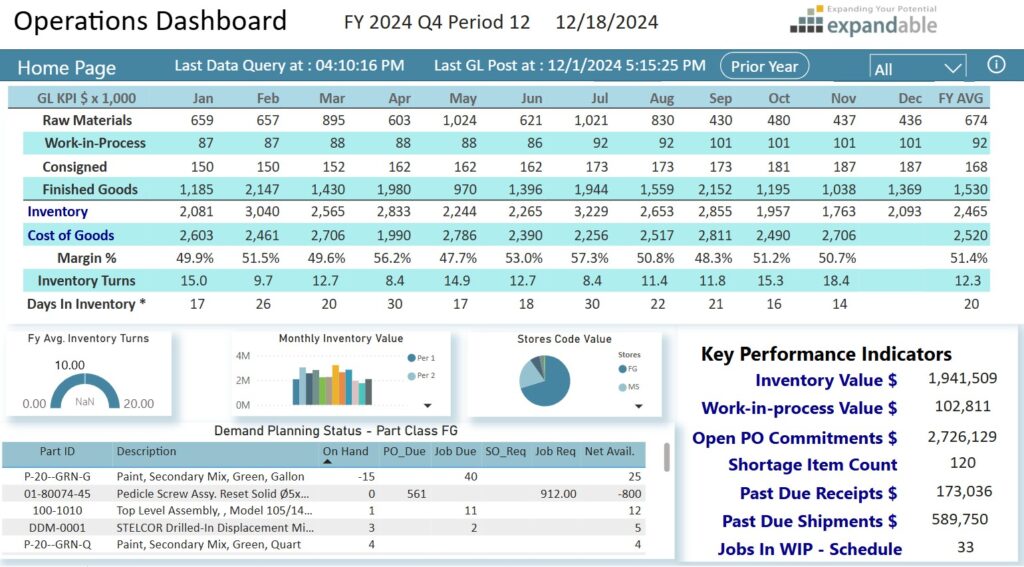
The technology also enables real-time monitoring of key performance indicators that directly impact compliance status. You can track metrics such as nonconformance rates, CAPA effectiveness, and supplier performance through automated dashboards that provide immediate visibility into potential compliance risks before they become regulatory issues.
How Medical Device ERP Systems Address Regulatory Challenges
Medical Device ERP systems provide the foundation for maintaining regulatory compliance across all operations, creating a unified platform that eliminates the data silos and manual processes that often lead to compliance failures. A well-implemented Medical Device ERP solution streamlines quality processes while ensuring regulatory adherence through automated workflows that guide users through required procedures.
The complexity of Medical Device ERP Compliance requires specialized software solutions designed for the industry, with features that address the unique challenges of regulated manufacturing environments. These systems must handle everything from batch record management and lot traceability to complaint handling and adverse event reporting.
Consider the challenge of managing a product recall. Without an integrated ERP system, you might spend days or weeks trying to identify affected products, trace their distribution, and notify customers. With a properly configured Medical Device ERP system, this process becomes a matter of hours, with automated notifications and detailed traceability reports generated at the click of a button.
Medical Device Manufacturing Software Compliance Best Practices
Medical Device Manufacturing Software Compliance best practices center around selecting and implementing systems that are specifically designed for regulated environments. Your ERP system should include built-in validation protocols, change control procedures, and documentation templates that align with FDA and ISO requirements.
The implementation process itself must follow validated procedures, with thorough testing and documentation at each phase. This includes Installation Qualification (IQ), Operational Qualification (OQ), and Performance Qualification (PQ) protocols that demonstrate your system meets all specified requirements.
Ongoing maintenance and updates must also follow controlled procedures to ensure continued compliance. Your ERP vendor should provide validated upgrade paths and maintain detailed documentation of all system changes. Regular system audits and performance reviews help identify potential compliance gaps before they become regulatory issues.
Real-World Benefits and Measurable ROI
The financial impact of implementing a compliant ERP system extends far beyond avoiding regulatory penalties. Medical Device Compliance failures can result in costly recalls and regulatory sanctions, but the positive impact of proper compliance management creates measurable value across your entire organization.
Companies that have successfully implemented specialized medical device ERP systems report significant improvements in key performance metrics. Audit preparation time typically decreases by 60-80%, as all required documentation is automatically generated and maintained in audit-ready formats. Quality incident resolution times improve by an average of 50%, thanks to integrated CAPA management and automated workflow routing.
Inventory management becomes more precise, with many manufacturers reducing excess inventory by 20-30% while improving product availability. The enhanced traceability capabilities enable faster response to customer inquiries and regulatory requests, improving customer satisfaction while reducing administrative overhead.
Perhaps most importantly, these systems enable proactive compliance management rather than reactive problem-solving. Real-time monitoring and automated alerts help identify potential issues before they impact product quality or regulatory status, transforming compliance from a cost center into a competitive advantage.
Implementation Success Strategies
Successful ERP implementation in the medical device industry requires careful planning and attention to regulatory requirements from the very beginning. The project team should include representatives from quality assurance, regulatory affairs, and IT, ensuring that compliance considerations are integrated into every implementation decision.
Data migration deserves special attention in regulated environments. Historical quality records, batch documentation, and traceability information must be transferred with complete accuracy and full audit trails. This process often requires specialized tools and procedures that maintain data integrity while meeting regulatory requirements for electronic records.
Training programs must address both system functionality and regulatory requirements, ensuring that users understand not just how to use the system, but why specific procedures are required. This knowledge helps prevent compliance issues that can arise from well-intentioned but incorrect system usage.
Change management becomes particularly critical in regulated environments, where resistance to new processes can create compliance risks. Clear communication about the benefits of the new system, combined with comprehensive training and ongoing support, helps ensure successful adoption across the organization.
Looking Forward: The Future of Medical Device ERP Compliance
The regulatory landscape continues to evolve, with increasing emphasis on data integrity, cybersecurity, and post-market surveillance. Medical Device ERP technology has evolved to address the unique challenges of regulated manufacturing environments, incorporating artificial intelligence and machine learning capabilities that can predict potential compliance issues before they occur.
Cloud-based solutions are becoming more prevalent, offering enhanced security and automatic updates while maintaining the validation and control requirements of regulated environments. These platforms provide the scalability needed to support business growth while ensuring continued compliance with evolving regulatory requirements.
The integration of Internet of Things (IoT) devices and real-time monitoring capabilities creates new opportunities for proactive quality management and compliance monitoring. Your ERP system can now receive data directly from manufacturing equipment, environmental monitoring systems, and other connected devices, creating a more complete picture of your operation’s compliance status.
Taking the Next Step
The path to streamlined compliance through ERP implementation doesn’t have to be overwhelming. By understanding the specific requirements of FDA 21 CFR Part 11 and ISO 13485, and selecting a system designed to address these challenges, you can transform regulatory compliance from a burden into a competitive advantage.
The key is choosing a solution that not only meets today’s requirements but can adapt to future regulatory changes while supporting your business growth objectives. With the right system in place, compliance becomes an automated part of your daily operations, freeing your team to focus on innovation and customer satisfaction rather than regulatory paperwork.
Ready to explore how a specialized medical device ERP system can transform your compliance processes? The investment in proper technology today creates the foundation for sustainable growth and regulatory success tomorrow.
Medical device erp systems have become critical infrastructure for an industry projected to reach $615 billion by 2025 and $800 billion by 2030. This growth trajectory creates unique operational pressures, particularly since medical device manufacturing ranks among the world’s most heavily regulated sectors.
The stakes are considerable for manufacturers operating in this space. Medical device recalls recently hit a 15-year high, underscoring the urgent need for robust tracking and compliance systems. Both consumable and large capital equipment segments face intensified regulatory scrutiny.
Specialized erp for medical device manufacturers serves a purpose beyond standard operations management—it ensures regulatory compliance through automated validation processes and detailed audit trails. Every component and batch must be traceable to its source, creating the accountability and safety documentation that regulatory standards require.
Our evaluation covers dozens of medical device manufacturing software solutions to identify the 12 strongest options available today. The rankings reflect the distinctive compliance requirements, traceability demands, and manufacturing complexities that characterize this expanding yet strictly regulated industry.
Expandable ERP targets growing medical device manufacturers who require FDA compliance capabilities without the complexity of enterprise-level systems. The platform focuses specifically on high tech and med tech companies navigating the transition from startup to established business.
The system provides functionality designed around medical device manufacturing requirements:
Complete lifecycle traceability for serialized and lot-controlled items, tracking finished goods back to raw materials to satisfy government reporting requirements
Quality management foundation that supports quality procedures, incident tracking, corrective action, and root cause analysis
Surgical Kit module for tracking inventory consigned to hospitals, clinics, and surgery centers
Mixed manufacturing support allowing companies to build to stock, build to order, or configure to order within one system
Multi-level BOM tracking with serialized and lot-controlled components
Built-in compliance tools for FDA and ISO 13485 standards
The platform also handles product lifecycle management, CAPA, RMA processing, production control, inventory management, and integrated financial systems—all within complex medical device manufacturing environments.
Expandable ERP pros and cons
Pros:
Purpose-built for regulated industries with comprehensive compliance features
Scales with business growth from startup to established enterprise
Supports both discrete and process manufacturing environments
Offers both cloud and on-premise deployment options
Integrates entire operation from engineering to after-sales
Cons:
Less brand recognition than some enterprise-level competitors
Windows platform limitation may affect some deployment scenarios
As with most ERP implementations, requires careful planning to avoid pitfalls
Expandable ERP pricing
Expandable positions itself as “one of the most affordable, comprehensive, fully-integrated ERP systems on the market”. The company markets the system as budget-friendly for growing companies, making it accessible to startups and SMEs preparing to compete in the USD 955.00 billion MedTech market. Pricing structures aren’t publicly disclosed, but cost-effectiveness serves as a key differentiator.
Expandable ERP best fit
Expandable works particularly well for:
Medical device startups transitioning from prototype to production
Manufacturers of FDA-regulated medical equipment, diagnostic instruments, or implantable devices
Growing companies that need sophisticated compliance features without enterprise-level costs
Organizations managing mixed production methods including discrete builds, kitted surgical systems, and serialized diagnostic assemblies
Companies implementing specialized manufacturing ERP software like Expandable report 14% faster product delivery times and 10% more orders delivered on schedule. With 67% of medical device manufacturers struggling without specialized ERP systems, Expandable addresses a critical need for industry-specific functionality.
QAD
QAD has served as a trusted partner to medical device manufacturers for decades, delivering a robust medical device ERP system that targets the upper mid-market and lower enterprise sectors. The platform distinguishes itself through integrated supply chain components, supported by comprehensive ERP capabilities designed for regulated medical manufacturing environments.
QAD key features
QAD delivers a comprehensive toolkit specifically designed for life sciences manufacturers:
End-to-end supply chain visibility across manufacturing operations, including suppliers, customers, and outsource partners
FDA compliance tools supporting CFR Part 11, GMP, cGMP, and Eudralex Volume 4 regulations
Medical device-specific capabilities including serialization support for Unique Device Identification (UDI), Drug Quality and Security Act (DQSA), and Falsified Medicine Directive (FMD) compliance
Mixed-mode manufacturing with native discrete and process manufacturing capabilities plus forward and backward recall traceability
Model-driven architecture allowing customization without changing the source code
QAD pros and cons
Pros:
Strong supply chain perspective with deeper transportation and international trade management capabilities
Cloud maturity since 2008—significantly longer than competitors like SAP
Greater flexibility and easier configuration compared to SAP S/4HANA
Generally less expensive than SAP on both software and implementation
Serves customers across 60 countries generating USD 968.00 billion in annual revenue
Cons:
Limited brand awareness compared to SAP or Oracle, affecting executive confidence
Not as prolific a VAR ecosystem as Microsoft, SAP, or Oracle
Technology modernization announced but might take years to stabilize
Less suitable for manufacturers developing large complex capital equipment with thousands of dependent components
Smaller partner/consultant pool than SAP/Oracle ecosystems
QAD pricing
QAD typically costs less than SAP for both software licenses and implementation. The company structures pricing plans based on organization type and specific requirements. Detailed pricing information requires direct consultation with a QAD advisor.
QAD best fit
QAD works effectively for:
Mid-market to upper mid-market medical device manufacturers
Companies where supply chain management and traceability are priorities
Organizations requiring strong FDA compliance capabilities
Manufacturers operating mixed-mode production environments
Smaller enterprises using it as primary ERP or subsidiaries of larger companies using SAP/Oracle for corporate financial ledgers
Life sciences companies needing flexible solutions that adapt to changing business conditions
SAP S/4 HANA
For global medical device manufacturers managing complex compliance requirements, SAP S/4 HANA provides an enterprise resource planning solution designed for scale. This platform combines core business processes with advanced technologies to support highly regulated operations across international markets.
SAP S/4 HANA key features
Cloud-based architecture available in public and private editions, eliminating physical server requirements while providing worldwide data access
Intelligent technologies including artificial intelligence, analytics, and machine learning for operational optimization
Regulatory compliance tools supporting FDA requirements (21 CFR Part 11) and EU Medical Device Regulation standards
Real-time processing of massive datasets through the HANA in-memory database, critical for UDI tracking and serialized inventory management
Enhanced traceability capabilities connecting UDI data directly into manufacturing, warehousing, and logistics processes
Simplified data model reducing redundancy and complexity across operations
SAP S/4 HANA pros and cons
Pros:
Superior financial control with built-in visual workflow for each transaction
Real-time analytics enabling better decision-making and operational efficiency
Product model supporting various configurations and mixed-mode manufacturing
Enhanced scalability allowing medical device companies to expand operations efficiently
Advanced supply chain visibility across global operations
Cons:
Integration challenges with best-of-breed solutions despite robust options available
Excessive customizations and controls that may overwhelm smaller organizations
Limited last-mile medical device manufacturing capabilities requiring expensive customizations
Complex and potentially risky migration process from legacy systems
Steep learning curve for users transitioning from other platforms
SAP S/4 HANA pricing
SAP S/4 HANA typically costs between $250,000 in the first year to hundreds of millions for both licensing and implementation. The pricing model includes options for on-premise deployment (one-time fee plus 18-22% annual maintenance) or cloud subscription (monthly fees ranging from $20,000-$100,000). Named user licenses range from $1,500-$4,000 per user for on-premise or $100-$250 monthly per user for cloud deployments. Implementation services alone typically start at $75,000, with final costs depending on project complexity.
SAP S/4 HANA best fit
SAP S/4 HANA works effectively for:
Large, global medical device manufacturers with revenues exceeding $1 billion
Publicly traded companies requiring superior transactional traceability
Organizations managing compliance with strict regulatory requirements
Companies operating complex supply chains spanning multiple countries
Businesses seeking to modernize and consolidate enterprise systems
Medical device manufacturers requiring strong integration between ERP and quality management processes
Oracle Cloud ERP
Oracle Cloud ERP targets large medical device organizations requiring unified operations across complex business structures. With over 11,000 Fusion Cloud ERP customers worldwide, this platform addresses the operational demands facing major medical manufacturers navigating regulatory complexity.
Oracle Cloud ERP key features
Single data platform integrating finance, HCM, PLM, and supply chain data for enhanced product launch insights
Built-in AI capabilities that improve forecast accuracy for patient volume, revenue, and related expenses
Quarterly update cycles delivering new features every 90 days
Comprehensive supply chain management tools addressing the entire process from procurement to delivery
Regulatory compliance features minimizing risk and ensuring patient safety
Enhanced financial reporting with AI-powered management reporting narratives
Oracle Cloud ERP pros and cons
Pros:
Core ERP capabilities with deep supply chain and logistics functionality
Support for multiple business models within one global solution
Robust financial controls including SOX compliance and financial traceability
Strong integration between finance, HR, and supply chain functions
Cons:
Limited last-mile functionality for medical device manufacturing (device history records, FDA 21 CFR 11 reporting)
Extended configuration and customization timeframes
Less intuitive for plant-level employees due to complex interface
May require external support for customization implementation
Steeper learning curve for new system users
Oracle Cloud ERP pricing
Oracle follows a subscription model with monthly per-user pricing starting at approximately $500. The platform requires a minimum of 25 users to begin implementation. Implementation services typically start at $200,000, though final costs depend on project complexity and customization requirements. For detailed pricing information, Oracle recommends contacting their sales team directly.
Oracle Cloud ERP best fit
Oracle Cloud ERP serves large, global medical device manufacturers with revenues exceeding $1 billion. The platform works well for organizations managing diverse entities—including commerce, consumables, large equipment, consulting, contract manufacturing, and research center subsidiaries. It functions effectively as a corporate financial ledger for companies seeking to minimize subsidiary-level ERP systems. Organizations undertaking comprehensive operational transformation within the healthcare sector typically find maximum value in this platform.
Microsoft Dynamics 365
Microsoft Dynamics 365 provides a practical option for medical device manufacturers who need regulatory compliance capabilities alongside familiar Microsoft integration. The platform’s cloud-based foundation supports heavily regulated GxP environments while connecting seamlessly with established Microsoft business tools.
Microsoft Dynamics 365 key features
Complete lifecycle tracking with lot and serial traceability ensuring regulatory compliance from design through sales and service
Document management capabilities storing all regulatory and FDA requirements documentation in one central location
Quality control integration supporting test plans, defect reporting, and vendor quality assurance
Change order management tracking product modifications to drive continuous improvement
FDA traceability reporting with serialization and lot control for accurate patient information tracking
Business analytics providing deep financial and operational insights via Power BI dashboards
Microsoft Dynamics 365 pros and cons
Pros:
Natural integration with Microsoft ecosystem (Office 365, Teams, Forms)
Built-in quality and compliance modules for medical device manufacturers
Real-time production and inventory tracking capabilities
Flexible deployment supporting both cloud and on-premise options
Strong data security through Azure Cloud and Dataverse technologies
Complex implementation process requiring expert guidance
Higher initial investment compared to general-purpose ERP solutions
Performs best when operating within full Microsoft ecosystem
Industry-specific needs require customization
Microsoft Dynamics 365 pricing
Dynamics 365 operates on a subscription-based model with multiple licensing options. Sales Professional licenses start at $65 per user monthly, whereas Sales Enterprise licenses cost $95 per user monthly. For comprehensive deployments, implementation typically starts at $25,000. Business Central licenses range from $70-100 per user monthly, offering a more affordable entry point for smaller manufacturers.
Microsoft Dynamics 365 best fit
Dynamics 365 serves well for:
Medical device manufacturers requiring strong documentation capabilities
Organizations already invested in Microsoft technology stack
Mid-sized manufacturers needing flexibility in deployment options
Businesses seeking integrated quality control with business operations
Acumatica Cloud ERP
Acumatica Cloud ERP provides medical device manufacturers with a unified platform built to address the particular challenges of operating in a heavily regulated environment. This cloud-based solution balances modern functionality with affordability, helping companies maintain operational control while meeting industry compliance standards.
Acumatica Cloud ERP key features
End-to-end traceability with lot and serial tracking from receipt to shipment
Quality management with embedded inspections, testing, and CAPA reporting
Regulatory compliance support for FDA and ISO 13485 standards
Engineering control with ECR/ECO workflows and structured approvals
Supply chain visibility providing real-time dashboards for inventory management
Cloud accessibility enabling teams to work efficiently across multiple locations
Acumatica Cloud ERP pros and cons
Pros:
Unlimited users with consumption-based pricing rather than per-user fees
Modern cloud platform offering seamless integration capabilities
Flexible, modular design supporting business growth without system overhauls
Direct integration of quality checks into manufacturing processes
Advanced document management for audit trails and traceability
Cons:
Can be expensive for smaller businesses requiring significant investment
Limited industry-specific features as a general-purpose ERP solution
Steep learning curve for new users due to comprehensive functionality
Reported issues with customer support quality
Acumatica Cloud ERP pricing
Acumatica’s pricing model differs from traditional per-user structures by charging based on applications and resource consumption. The General Business Edition starts at $6,396 annually for up to 10 users and 1,000 monthly transactions. Mid-sized businesses typically spend $25,000+ annually on subscription costs. Implementation expenses range from $60,000 to $100,000+ depending on complexity.
Acumatica Cloud ERP best fit
Acumatica serves growing medical device manufacturers particularly well when they need to:
Streamline operations while maintaining regulatory compliance
Improve operational efficiency and reduce compliance risk
Accelerate time-to-market for new medical devices
Manage multiple suppliers and complex production schedules
Scale their business without costly system replacements
The platform delivers the visibility, traceability, and control that medical device manufacturers need to meet strict regulatory standards while maintaining operational flexibility.
DELMIAWorks
DELMIAWorks (formerly IQMS) takes a different approach to medical device manufacturing software, built from the ground up with a “shop floor first” philosophy. This Oracle-powered system centralizes business activity across the entire supply chain while eliminating the complexity of managing multiple databases.
DELMIAWorks key features
The medical quality suite provides essential tools for device manufacturers operating under strict regulatory oversight:
Comprehensive compliance framework supporting ISO 13485/9001 standards, Current Good Manufacturing Practice (CGMP), and FDA requirements
Complete audit trail of manufacturing processes with secure electronic signatures complying with 21 CFR Part 11
Advanced tracking capabilities with unlimited track and trace, product identification, and serialization
Device History Record (DHR) module that automates collecting complete production history from design through the product lifecycle
Corrective Action/Preventive Action (CAPA) functionality with non-conforming product review and tracking
Optimized scheduling that identifies the best start time for jobs and constraints affecting delivery
DELMIAWorks pros and cons
Pros:
Single-source development ensuring less complex and more cost-effective implementation
Intuitive user interface resulting in training costs that are a fraction of competitors’ fees
Real-time monitoring system collecting data as jobs run, visible on a single screen
Built specifically for manufacturers by manufacturers, with ground-up development
Strong customer satisfaction with ease of use rated at 8/10 and functionality at 8/10
Cons:
Learning curve requiring ongoing training for full system utilization
Support sometimes functions as a sales team for training rather than direct assistance
Some users report labels taking too long to generate and system “locking up” during printing
Implementation requires experienced team members
UI described by some users as needing modernization
DELMIAWorks pricing
Per-user monthly costs start at approximately $150-250, with a minimum of 5 users required. Implementation services begin at $20,000, though final costs depend on project complexity. Total investment ranges from $25,000 to $300,000 based on organizational requirements.
DELMIAWorks best fit
DELMIAWorks serves Class 1, 2, and 3 medical device manufacturers who need robust traceability and regulatory compliance capabilities. The system works particularly well for companies operating in highly regulated environments where ISO and FDA compliance are non-negotiable. Organizations focused on quality management—specifically those requiring Statistical Process Control, CAPA, and detailed audit trails—will find significant value. Companies needing complete visibility from initial order through inventory, production, shipping, and final billing should consider this platform.
SYSPRO
SYSPRO ERP serves small and medium-sized medical device manufacturers with particular strength in consumables and diagnostic segments. The platform’s design reflects a clear understanding of distribution and commerce-focused operations that characterize much of the medical device sector.
SYSPRO key features
The system addresses core manufacturing requirements through integrated functionality. Full traceability capabilitiestrack materials from receipt through delivery, enabling manufacturers to rapidly identify potentially defective products. Electronic signature capture and comprehensive audit trails support FDA 21 CFR Part 11 and GMP requirements.
Real-time inventory visibility provides the operational control that medical device manufacturers require. Quality management tools improve governance while driving compliance. The platform’s native process manufacturing support proves beneficial for contract research organizations developing both drugs and devices.
Unlike many ERP solutions, SYSPRO offers customization options without affecting upgrade paths—a significant advantage for growing companies that need flexibility.
SYSPRO pros and cons
Pros:
Applicable across numerous manufacturing sub-industries with strong quality process focus
Out-of-box processes enable quick implementation without extensive customization
Customizable while maintaining upgrade capabilities
Strong inventory and supply chain management capabilities
Cons:
User adoption can be challenging with steeper learning curve for new users
Interface appears dated compared to modern ERP solutions
Self-service reporting limitations versus newer platforms
Primarily designed for smaller facilities with single legal entity structures
SYSPRO pricing
The subscription-based model starts at approximately USD 150.00 per user monthly. Organizations need a minimum of 10 users to begin implementation. Implementation services typically start at USD 25,000, with final costs varying based on project complexity. On-premise customers face higher upfront licensing costs depreciated over 5-10 years plus annual maintenance fees.
SYSPRO best fit
SYSPRO proves most valuable for SMB medical device companies, particularly those in consumables or diagnostic segments. Organizations requiring strong inventory and supply chain management find the platform well-suited to their needs. Companies needing robust quality controls and compliance documentation benefit from its integrated approach.
The system works best for single-facility operations rather than complex multi-entity structures. Businesses seeking customizable solutions that maintain upgrade paths will find SYSPRO addresses this common ERP challenge effectively.
Epicor Kinetic
Epicor Kinetic addresses the operational challenges facing medical device manufacturers who must balance regulatory compliance with efficient production processes. This AI-powered cloud ERP system targets the specific requirements of companies operating in highly regulated environments.
Epicor Kinetic key features
Regulatory compliance forms the foundation of Epicor’s approach, with specialized Life Sciences Cloud infrastructure supporting FDA CFR 21 Part 11 and EU Annex 11 requirements. Core capabilities include:
Comprehensive traceability with lot and serial tracking from raw materials to finished products
Quality management capabilities including complaint handling and corrective actions
Consistent upgrade cadence with deferred updates that maintain compliance
Microsoft Azure cloud infrastructure enhancing security and reliability
Epicor Kinetic pros and cons
Pros:
Mixed-mode manufacturing capabilities supporting various production methods
Superior user experience with advanced cloud-native features
Limited financial layers supporting only three hierarchical levels
Reliance on third-party quality modules
Learning curve requiring ongoing training
Report generation challenges noted by some users
Epicor Kinetic pricing
Per-user monthly pricing starts at USD 125.00 with a minimum requirement of 10 users. Implementation services typically begin at USD 50,000.00, depending on project complexity. Both leasing and subscription financing options help spread costs over time.
Epicor Kinetic best fit
Epicor Kinetic serves small to mid-market discrete medical device manufacturers effectively. The system works particularly well for companies managing complex inventory requirements where devices may serve multiple indications. Its distribution-focused planning capabilities make it suitable for commerce-oriented medical device organizations.
Infor CloudSuite Industrial
Small to mid-sized medical device manufacturers frequently select Infor CloudSuite Industrial for its dedicated quality management system and regulatory compliance tools. This ERP solution (formerly SyteLine) addresses the medical device sector’s distinctive operational challenges with specialized functionality.
Infor CloudSuite Industrial key features
Infor provides medical device production capabilities through its FDA Extended ERP solution framework. The platform incorporates advanced security features, comprehensive data auditability, and streamlined electronic record management. Core functionality encompasses batch records tracking, customer complaint management, and lot/serial genealogy for product traceability, along with electronic records support meeting 21 CFR Part 11 requirements. The built-in quality module maintains separate inventory for quality-controlled components while providing extensive in-process quality coverage.
Infor CloudSuite Industrial pros and cons
Pros:The system’s design reflects an OEM perspective with serializable unit support. Quality management integrates deeply into core operations, while field service capabilities coordinate resources effectively. FDA validation tools include packaged operational validation scripts.
Cons:The interface lacks a cloud-native feel with some critical limitations. The system proves unsuitable for distribution-centric medical device manufacturers. FDA-specific regulatory capabilities don’t match some competitors’ strengths, and the extensive feature set requires significant training investment.
Infor CloudSuite Industrial pricing
Per-user monthly pricing starts at USD 150.00 with a minimum requirement of 5 users. Infor’s subscription-based model scales with organizational growth. Leasing options help spread costs over time while providing potential tax benefits.
Infor CloudSuite Industrial best fit
Infor CloudSuite Industrial serves effectively as a subsidiary solution within large medical device companies or as the primary ERP for smaller manufacturers. The system excels where strict quality management and detailed product information are essential for meeting regulatory requirements. Medical device manufacturers needing to maintain ISO 13485 certification and FDA compliance will find particular value in this platform.
Rootstock
Built natively on the Salesforce platform, Rootstock delivers a medical device ERP solution that unifies compliance, production, and financial operations within a single system. This platform-native approach creates advantages for manufacturers already operating within the Salesforce ecosystem.
Rootstock key features
The system’s complete visibility and traceability over manufacturing operations automates compliance processes while maintaining the detailed documentation medical device manufacturers require. Real-time inventory analysis provides detailed tracking of costs and sales, giving manufacturers the financial insight needed for informed decision-making.
Rootstock has demonstrated measurable improvements in complaint handling, reducing timeframes by an average of 60%. The platform covers order management, inventory control, production, and supply chain planning through extensive functionality that connects directly with other Salesforce applications, creating a comprehensive business platform.
Rootstock pros and cons
Pros:
Excellent reporting capabilities with customizable interfaces
High customer satisfaction ratings of 4.7/5 from verified customers
Strong retention rates within the industry
Cons:
Some performance issues reported by users
Limited financial reporting capabilities
User interface needs improvement according to some reviews
Rootstock pricing
Rootstock structures pricing across three tiers: Growth starting from $100.00 per user, Advanced starting from $145.00 per user, and Enterprise with custom pricing.
Rootstock best fit
Rootstock works particularly well for medical device manufacturers requiring FDA compliance capabilities who want seamless integration with Salesforce. The system excels in environments needing robust traceability, quality control, and efficient complaint management processes. Organizations already invested in Salesforce infrastructure will find the native integration eliminates many of the complexity issues associated with connecting disparate systems.
Deacom ERP
Deacom ERP, part of ECI Software Solutions, operates on a distinctive “ONE” philosophy that sets it apart from other medical device manufacturers solutions. This unified platform targets companies requiring stringent FDA compliance and tracking capabilities within a single integrated system.
Deacom ERP key features
Deacom consolidates medical device manufacturing operations through targeted functionality:
Hyper-Tight Process Control™ with quality checkpoints across the complete product lifecycle
Native lot traceability maintaining regulatory compliance throughout supply chain operations
Document creation and management handling vendor scorecards, specifications, and compliance documentation
Real-time reporting with live transaction data posting
Deacom ERP pros and cons
Pros:
98% implementation success rate, well above industry standards
Single-screen operational visibility across all business functions
In-house support structure eliminating third-party dependencies
Cons:
Limited functionality for complex discrete manufacturing applications
Not suitable for large capital equipment manufacturers
Interface challenges reported by some users
Deacom ERP pricing
Deacom provides transparent pricing without hidden fees. Two main options include:
Deacom Enterprise designed for established manufacturers with complex operational requirements
Deacom ERP best fit
Deacom performs strongest for diagnostic, drug, and smaller consumable device manufacturers. Companies distributing fast-moving medical goods requiring comprehensive track and trace capabilities will find the most value from this platform.
🏆 Editor’s Choice for 2026
After comprehensive evaluation of the top medical device ERP systems, Expandable ERP stands out as our premier choice for growing medical device manufacturers in 2026. Its unique combination of comprehensive FDA and ISO 13485 compliance features, scalability from startup to enterprise, and flexible deployment options make it the ideal solution for companies navigating the complex regulatory landscape without the overhead of enterprise-level complexity.
Why Expandable ERP Leads in 2026:
Purpose-Built for Compliance: Designed specifically for medical device manufacturers, Expandable ERP offers complete lifecycle traceability, surgical kit management, and built-in regulatory tools that ensure audit readiness and reduce recall risks. With medical device recalls at a 15-year high, having a system that automates compliance processes is no longer optional—it’s essential.
Proven Operational Impact: Manufacturing companies implementing specialized ERP systems like Expandable report 14% faster product delivery times and 10% more orders delivered on schedule. These aren’t theoretical benefits—they represent measurable improvements to your bottom line and customer satisfaction.
Scalability Without Compromise: Whether you’re transitioning from prototype to production or scaling operations across multiple facilities, Expandable ERP adapts seamlessly to your evolving business needs. You won’t outgrow the system as your company matures.
Cost-Effective Entry Point: Positioned as one of the most affordable, fully integrated ERP systems tailored for regulated industries, Expandable removes the traditional barrier where sophisticated compliance features were only accessible at enterprise price points. Growing companies can now access the same regulatory capabilities without six-figure implementation costs.
Deployment Flexibility: Available as both cloud and on-premise solutions, it fits diverse IT strategies and operational preferences—a critical consideration for companies with existing infrastructure investments or specific data sovereignty requirements.
For medical device companies seeking a compliance backbone that supports growth and operational excellence, Expandable ERP offers unmatched value and industry-specific functionality. While enterprise solutions like SAP and Oracle serve global manufacturers with billion-dollar revenues, and mid-market options provide general manufacturing capabilities, Expandable specifically addresses the sweet spot: growing medical device companies that need enterprise-grade compliance without enterprise-grade complexity.
System Comparison Overview
The table below provides a side-by-side comparison of key specifications across all 12 medical device ERP systems. This reference helps manufacturers evaluate options based on their specific operational requirements and budget constraints.
Medical Device ERP Comparison
Search, sort, and filter ERP systems by company size, pricing signal, and deployment model.
Color key:CloudHybridLower entryPremiumEnterpriseContact vendor
Conclusion
Selecting an ERP system represents a pivotal business decision for medical device manufacturers operating under strict regulatory oversight and operational pressures. Our analysis of these 12 solutions reveals distinct patterns in how different platforms serve various market segments within this highly regulated industry.
The medical device market’s rapid expansion means manufacturers face mounting pressure to maintain compliance while optimizing production efficiency. Your specific requirements for traceability, quality management, and regulatory adherence should drive the selection process.
Enterprise manufacturers with revenues exceeding $1 billion typically require the comprehensive capabilities of SAP S/4 HANA or Oracle Cloud ERP, which deliver robust financial controls and global supply chain visibility. Mid-market organizations often find better value in Microsoft Dynamics 365 or QAD due to balanced functionality and reasonable implementation costs. Growing medical device companies may benefit most from Expandable ERP or Acumatica, which provide industry-specific compliance features without enterprise-level complexity.
The right ERP solution must address your regulatory requirements—FDA compliance, ISO 13485 certification, UDI tracking. These systems become the operational backbone for maintaining audit trails, managing device history records, and ensuring complete lot and serial traceability.
Evaluate potential solutions based on your manufacturing approach, company size, budget parameters, and compliance obligations. Implementation timeframes, user experience, and ongoing support quality matter as much as core functionality when making this decision.
Medical device manufacturers implementing specialized ERP systems typically see improved compliance rates, enhanced operational efficiency, and reduced recall risk. This technology investment protects both business reputation and patient safety—two factors that define success in this critical industry.
The bottom line: choose a system that grows with your business while ensuring you never compromise on the regulatory compliance that keeps patients safe.
Key Takeaways
Medical device manufacturers face unique ERP challenges due to strict regulatory requirements and the need for complete traceability in a rapidly growing $615 billion industry.
• Specialized ERP systems are essential – 67% of medical device manufacturers struggle without industry-specific ERP functionality for FDA compliance and traceability
• Enterprise vs. SMB solutions differ significantly – Large manufacturers ($1B+) benefit from SAP/Oracle, while growing companies need scalable options like Expandable or Acumatica
• Compliance features are non-negotiable – Systems must support FDA 21 CFR Part 11, ISO 13485, complete lot tracking, and device history records
• Implementation costs vary dramatically – From $25,000 for smaller solutions to $250,000+ for enterprise systems, with pricing models ranging from per-user to consumption-based
• Real-time traceability drives ROI – Proper ERP implementation delivers 14% faster product delivery and 10% more on-time orders while reducing recall risks
The right medical device ERP system serves as your compliance backbone, ensuring patient safety while optimizing operations in this heavily regulated industry.
FAQs
Q1. What are the key features to look for in a medical device ERP system? Essential features include end-to-end traceability, quality management tools, regulatory compliance support (e.g., FDA 21 CFR Part 11), and integrated document management. Look for systems that offer real-time visibility into manufacturing processes and supply chain operations.
Q2. How does ERP software help medical device manufacturers maintain compliance? ERP systems designed for medical device manufacturers provide tools for maintaining detailed audit trails, managing device history records, and ensuring complete lot and serial traceability. They automate many compliance processes, reducing the risk of human error and supporting adherence to FDA, ISO 13485, and other regulatory standards.
Q3. What are the differences between ERP solutions for large enterprises versus small to medium-sized medical device companies? Large enterprise solutions like SAP S/4 HANA and Oracle Cloud ERP offer comprehensive functionality and global scalability but come with higher costs and complexity. Smaller companies often benefit from more specialized systems like Expandable ERP or Acumatica, which provide industry-specific features at a lower price point and are easier to implement.
Q4. How much does a medical device ERP system typically cost? Costs vary widely based on the size of the organization and the complexity of the system. Small to medium-sized businesses might spend $25,000 to $100,000 for implementation, while large enterprise solutions can exceed $250,000. Monthly per-user fees typically range from $100 to $500, with some vendors offering consumption-based pricing models.
Q5. What benefits can medical device manufacturers expect from implementing a specialized ERP system?Manufacturers implementing industry-specific ERP systems often see improved compliance rates, enhanced operational efficiency, and reduced risk of costly recalls. Benefits can include faster product delivery times, improved order fulfillment rates, better inventory management, and streamlined quality control processes. The right system serves as a backbone for maintaining regulatory compliance while optimizing business operations.
The numbers tell the story. Companies implementing specialized manufacturing ERP software report 14% faster product delivery times and 10% more orders delivered on schedule. These systems also deliver a 10% improvement in materials management across the production process.
High-tech manufacturers operate under distinct pressures: product lifecycles measured in months rather than years, supply chains spanning multiple continents, and quality standards that leave no room for error. The right ERP software provides the visibility, control, and traceability needed to manage shifting demand and evolving regulatory requirements. This explains why manufacturers are increasingly turning to ERP solutions that can handle the complexity of their operations.
ERP systems designed for complex manufacturing operations have become essential tools for companies navigating major business changes. Cloud-based solutions like Oracle Fusion Cloud ERP offer capabilities that support manufacturing excellence, even during challenging transitions like mergers and acquisitions.
What follows is an examination of how industry leaders achieve dramatic production time reductions through modern ERP implementations. We’ll explore the specific features driving these improvements and provide guidance on selecting the right system for your high-tech manufacturing operation.
Why High-Tech Manufacturing Needs ERP Today
The pressure to stay competitive has never been greater for high-tech manufacturers. Quality, price, and time to market—these three factors determine success or failure in today’s market. Managing this complexity efficiently requires sophisticated systems that can keep pace with the industry’s demands.
Short product lifecycles and rapid innovation cycles
Product lifecycles in high-tech manufacturing are measured in months, not years. This creates operational challenges that traditional systems simply cannot handle. ERP systems enable manufacturers to adapt quickly to innovations, retire older products efficiently, and reduce time-to-market for new offerings.
The reality is stark: most products in this sector become obsolete quickly. Manufacturers must maintain the agility to deliver what the market needs almost immediately after demand emerges. ERP platforms designed for high-tech companies provide the tools to predict, analyze, and meet changing customer demands for products that are “better, stronger, and faster”.
Complex global supply chains in electronics manufacturing
Electronics manufacturing faces supply chain challenges that extend down to the smallest components. Recent years have brought a perfect storm of disruptions—global pandemics, geopolitical instability—that have exposed vulnerabilities in global supply chains. Cross-border labor is no longer guaranteed. Transportation delays in both air and water transit extend production lead times significantly.
The electronics supply chain is deeply interconnected, with components often sourced from multiple countries before final assembly. Companies are responding by reshoring operations: 64% have moved some elements closer to home to improve sustainability, while 42% prioritize sustainable and diverse sourcing.
Need for real-time visibility and control
Here’s a troubling statistic: despite 92% of manufacturers making digital transformation a strategic priority, only 16% have real-time work-in-progress monitoring across their entire manufacturing process. This visibility gap represents a critical weakness.
The numbers point to recognition of the problem. Six in ten manufacturing leaders expect to increase visibility across production and throughout the supply chain by 2029. Real-time visibility enables manufacturers to identify and address potential disruptions before they escalate, track shipments precisely, and monitor environmental conditions for sensitive components. Without this level of oversight, manufacturers face inefficiencies, increased costs, and customer dissatisfaction.
Core ERP Features That Enable Faster Production
Four essential capabilities separate leading ERP platforms from basic business software. When properly implemented, these features create the operational foundation that high-tech manufacturers need to compete effectively.
Automated workflows for production scheduling
Production scheduling represents one of manufacturing’s most complex challenges. Modern ERP systems eliminate the manual coordination that traditionally creates bottlenecks. Scheduling automation can reduce lead times by up to 95% while providing manufacturing teams with unified information across all departments.
Automated workflows respond to real-time conditions without manual intervention. Equipment failures or urgent customer orders trigger automatic alerts to relevant personnel, maintaining operational continuity. Advanced scheduling algorithms balance machine availability, labor capacity, and material constraints to optimize resource allocation.
Integrated inventory and procurement modules
Successful production depends on having the right materials available at precisely the right time. ERP systems connect inventory and procurement functions to create supply chains that respond directly to manufacturing demands. Automated reordering triggers based on minimum inventory levels reduce both stockouts and excess inventory costs.
Supply chain planning capabilities within ERP systems enable manufacturers to detect changing conditions and execute strategic decisions based on current information. Manufacturers using integrated ERP inventory modules typically see inventory cost reductions of approximately 20% while maintaining material availability.
Real-time shop floor monitoring with IoT integration
IoT sensors connected to ERP systems collect production data as operations happen. This visibility enables manufacturers to monitor equipment performance, production processes, and environmental conditions in real time. When machine temperatures rise beyond acceptable ranges, systems can automatically trigger corrective actions.
Digital twin technology creates virtual representations of physical assets, allowing production managers to visualize operations clearly. This capability supports workflow simulation and optimization before implementing changes on the physical floor.
Advanced quality control and compliance tracking
Quality management integration ensures products meet specifications consistently throughout production. ERP modules automate quality checks at critical production points and immediately flag defects for correction.
ERP platforms also maintain the documentation trails required for regulatory compliance. Automated compliance reporting reduces administrative overhead while strengthening accountability across operations. Manufacturers report defect rate reductions of 10% after implementing standardized quality control measures through ERP.
How ERP Cuts Production Time by 40% in Practice
Real-world implementations show how ERP for high tech manufacturing creates efficiency gains that directly impact competitiveness. The evidence comes from manufacturers who have moved beyond theory to measurable results.
Case study: ERP for electronics industry with 40% time reduction
Consider a manufacturing firm operating across 12 countries that implemented a cloud-based ERP solution to replace disjointed legacy systems and inefficient workflows. The company achieved a 40% increase in operational efficiency. Production planning time dropped from weeks to days, while inventory holding costs decreased by 28%. The company recouped its ERP investment within 9 months of implementation.
Synchronizing design, engineering, and manufacturing
Modern ERP systems establish bidirectional connections between CAD software and production systems. Design modifications in CAD software automatically update in the ERP system, providing real-time visibility to all stakeholders. This synchronization eliminates conflicts between engineering drawings and work orders, reducing confusion on the shop floor while minimizing scrap and wasted time.
Reducing manual tasks through process automation
Production speed depends on minimizing manual intervention. ERP automation handles time-consuming workflows like invoice matching, purchase order verification, and goods receipt confirmation. Advanced systems integrate with IoT devices and machine sensors to monitor production status without human oversight. This automation accelerates processes while eliminating error-prone manual data entry.
Improving material availability with demand forecasting
High-tech manufacturing success hinges on having the right materials at precisely the right time. ERP demand forecasting analyzes historical transactional data to identify patterns, seasonality, and trends. These insights enable automated inventory replenishment based on predefined thresholds. This capability proves particularly valuable in high-tech sectors with volatile demand patterns or short product lifecycles.
Choosing the Right ERP for High-Tech Manufacturing
The ERP decision shapes your manufacturing operations for years to come. Multiple deployment options exist, each suited to different business requirements and growth stages.
Cloud-based vs on-premise ERP for high tech
Cloud ERP deployment takes 4-8 months compared to up to 36 months for on-premise implementations. The math is straightforward: cloud-based systems eliminate hardware purchases and provide 24/7 accessibility from any location. On-premise solutions offer complete control over data and infrastructure, but require substantial upfront investment in hardware and IT resources.
The decision often comes down to control versus speed of deployment.
Scalability and modularity in ERP tech
Modular ERP systems allow high-tech manufacturers to select only the functionalities they need. Start with core modules and add capabilities as your business grows, rather than paying for unused features from day one. This approach provides lower upfront costs and the flexibility to adapt quickly when market conditions change.
Integration with CAD/CAM and PLM systems
Connecting CAD, PLM and ERP creates a seamless workflow from design to delivery. Engineering changes automatically update BOMs across all systems, eliminating rework from outdated information. The benefits are twofold: accurate costing based on current design data, and real-time visibility for all departments.
Vendor selection criteria for high technology industries
Focus on vendors with deep experience in your specific industry segment. Evaluate total cost of ownership beyond the initial implementation—include training, maintenance and ongoing upgrades in your calculations. Request references from similar-sized companies in your industry that have used the solution for at least a year.
The right vendor becomes a strategic partner, not just a software supplier.
Conclusion
ERP systems have proven their worth through measurable results. The 40% production time reduction represents more than operational efficiency—it provides the speed advantage that determines market success in high-tech manufacturing.
The evidence points to clear benefits: faster production cycles, reduced inventory costs, lower defect rates, and improved supply chain visibility. Companies report ROI within 9 months of implementation, a timeline that makes the business case compelling.
The selection process matters. Whether you choose cloud-based or on-premise deployment, the system must match your manufacturing requirements and connect with existing design tools. Modular ERP platforms offer the flexibility to start with essential functions and expand as your business grows.
Supply chains will continue to become more complex. Product lifecycles will keep shrinking. Under these conditions, ERP systems become essential rather than optional for manufacturers who want to stay competitive.
Companies that implement the right ERP solution position themselves to respond faster to market changes, manage resources more effectively, and deliver products that meet customer expectations. The question isn’t whether to implement an ERP system—it’s which one will best support your growth strategy.
Key Takeaways
Modern ERP systems are revolutionizing high-tech manufacturing by delivering measurable efficiency gains that directly impact competitiveness and profitability.
• ERP systems deliver 40% production time reduction through automated workflows, real-time monitoring, and integrated inventory management across manufacturing operations.
• Real-time visibility remains a critical gap – only 16% of manufacturers have complete work-in-progress monitoring, making ERP implementation essential for competitive advantage.
• Automated scheduling and IoT integration eliminate manual processes, reduce lead times by up to 95%, and enable dynamic adjustments to production disruptions.
• Cloud-based ERP offers faster deployment with 4-8 month implementation versus 36 months for on-premise, plus lower upfront costs and 24/7 accessibility.
• Integration with CAD/PLM systems creates seamless design-to-delivery workflows, automatically updating BOMs and eliminating costly rework from outdated information.
The evidence is clear: high-tech manufacturers implementing specialized ERP solutions achieve ROI within 9 months while gaining the agility needed to thrive in rapidly evolving markets with short product lifecycles.
FAQs
Q1. How can ERP systems reduce production time in high-tech manufacturing? ERP systems can significantly reduce production time by automating workflows, integrating inventory and procurement modules, enabling real-time shop floor monitoring, and implementing advanced quality control measures. These features work together to streamline operations and eliminate inefficiencies throughout the manufacturing process.
Q2. What are the key benefits of implementing ERP in the manufacturing industry? The main benefits of ERP in manufacturing include minimizing redundancy, automating processes, optimizing operations for enhanced productivity, improving supply chain management, and reducing inventory costs. ERP systems also provide real-time visibility across the entire production process, enabling better decision-making and faster response to market changes.
Q3. How long does it typically take to implement an ERP system? The implementation time for an ERP system varies depending on whether it’s cloud-based or on-premise. Cloud-based ERP solutions generally take 4-8 months to implement, while on-premise solutions can take up to 36 months. The shorter implementation time for cloud-based systems is one of their key advantages.
Q4. How does ERP integration with CAD/PLM systems benefit manufacturers? Integrating ERP with CAD/PLM systems creates a seamless workflow from design to delivery. This integration automatically updates Bills of Materials (BOMs) and engineering changes across systems, eliminating rework from outdated information. It also enables accurate costing based on design data and provides real-time visibility to all departments.
Q5. What should high-tech manufacturers consider when choosing an ERP vendor? When selecting an ERP vendor, high-tech manufacturers should prioritize those with deep experience in their specific industry segment. It’s important to evaluate the total cost of ownership beyond initial implementation, including training, maintenance, and upgrades. Additionally, requesting references from similar-sized companies in the industry that have used the solution for at least a year can provide valuable insights.
The U.S. healthcare ERP market reached USD 1.81 billion in 2023 and projects growth to approximately USD 3.19 million by 2033, at a CAGR of 5.84% from 2024 to 2033. These numbers reflect a fundamental shift: ERP medical devices solutions have become business-critical for manufacturers in this specialized sector.
Medical device manufacturers face a particular challenge. They must streamline operations while meeting strict regulatory compliance requirements. The industry offers significant growth opportunities alongside intense competition—making efficient systems non-negotiable for success.
ERP systems deliver measurable improvements in time to market, traceability, product quality, and regulatory adherence—all crucial factors in this highly regulated environment. Medical device ERP systems provide enhanced functionality and flexibility, particularly valuable for established companies scaling their operations.
What does effective ERP evaluation look like for medical device manufacturers? Based on extensive research conducted by ERP experts, this guide presents a systematic approach to identifying systems that align with your specific manufacturing requirements. Whether you’re implementing your first system or upgrading an existing one, this evaluation framework ensures informed decision-making that supports both regulatory requirements and business objectives.
Understanding the Unique Needs of Medical Device Manufacturers
Medical device manufacturers operate under constraints that standard ERP systems simply cannot address. These specialized requirements demand purpose-built solutions capable of balancing innovation, quality control, and regulatory demands.
Compliance and regulatory complexity
Regulatory compliance sits at the heart of medical device manufacturing. Medical device companies must navigate constantly evolving regulations that impact every operational aspect. The FDA requires extensive documentation of all system changes and updates to demonstrate that systems operate as intended. Any ERP system must facilitate this documentation process through standard operating procedures, test plans, and traceability matrices.
Medical device ERP systems must support FDA 21 CFR Part 11 compliance, which governs electronic records and signatures. This regulation ensures data integrity and prevents unauthorized access—essential for maintaining quality and safety standards. Medical device manufacturers must also implement appropriate security controls, including access restrictions, authentication protocols, and encryption methods.
Beyond FDA requirements, manufacturers must adhere to ISO standards such as ISO 13485 for quality management and ISO 14971 for risk management. The regulatory landscape becomes more complex when operating globally, as different regions maintain distinct requirements. The European Union recently overhauled its regulatory framework with the Medical Device Regulation (MDR) and In Vitro Diagnostic Regulation (IVDR), introducing more stringent clinical evidence requirements and increased post-market surveillance obligations.
Mixed-mode manufacturing requirements
Medical device manufacturing encompasses diverse production approaches—from high-volume disposables to complex capital equipment. This diversity requires what industry experts call “mixed-mode manufacturing capabilities”.
The medical device industry spans both consumable products and large capital equipment segments, with processes varying based on whether devices are for diagnostic or surgical use. When developing combinations of drugs, devices, or consumables with capital equipment, manufacturers require specialized production capabilities.
Medical device ERP systems must support:
Discrete manufacturing for assembled devices
Process manufacturing for products involving chemical compounds
Project-based manufacturing for custom medical equipment
Repetitive manufacturing for high-volume consumables
Without these mixed-mode capabilities, manufacturers often resort to expensive customizations of generic ERP systems, leading to unnecessary testing and configuration challenges.
Global operations and multi-entity support
Many medical device manufacturers operate across multiple locations worldwide, creating unique challenges for business management systems. A robust medical device ERP solution facilitates global operations by providing a centralized platform that standardizes processes and enables collaboration.
Effective cloud ERP solutions eliminate multiple disconnected systems, creating a single source of truth for all data. This approach removes information silos and ensures consistency across locations, enabling seamless information sharing between different departments and teams.
Medical device ERP systems must support multi-language and multi-currency capabilities to operate effectively across diverse markets. Real-time visibility into global operations empowers manufacturers to make data-driven decisions, optimize resource allocation, and drive growth despite varying regulatory landscapes.
The global nature of modern medical device companies also necessitates supplier management capabilities, as regulatory compliance extends to suppliers and subcontractors. ERP systems must track supplier certifications and remind manufacturers when updated certification or audits are required.
Generic ERP systems often fall short of these specialized needs. Medical device manufacturers should seek solutions specifically designed for their industry to avoid substantial customizations and unnecessary testing for configurations.
Step 1: Define Your Business and Regulatory Requirements
Successful medical device ERP system implementation starts with a clear understanding of your specific business needs and regulatory requirements. This foundation determines whether your selected system aligns with operations while ensuring compliance in this highly regulated industry.
Map out FDA and ISO compliance needs
Medical device manufacturers operate within a complex regulatory landscape that evolves continuously. Start by identifying which regulations apply to your specific products and operations. The FDA’s Quality System Regulation (21 CFR Part 820) establishes the foundation for quality management systems, now being harmonized with ISO 13485:2016 through the Quality Management System Regulation (QMSR). This integration represents the FDA’s effort to align with international standards while maintaining rigorous quality controls.
Your medical device ERP system must support compliance with:
FDA 21 CFR Part 820 (soon to be QMSR) – Current Good Manufacturing Practice requirements
ISO 13485:2016 – Medical device quality management systems standard
ISO 14971 – Risk management for medical devices
Regional requirements like EU MDR 2017/745 or Canada’s SOR/982-282
The ERP system should facilitate compliance checks and quality control procedures within your manufacturing and distribution processes. For global operations, understand how requirements differ across markets and ensure your ERP can adapt accordingly.
Identify traceability and audit trail expectations
Traceability forms the backbone of medical device manufacturing and remains essential for patient safety and regulatory compliance. Your ERP system must maintain end-to-end lot and serial traceability—from raw materials to finished products. This capability allows manufacturers to track materials throughout the entire production cycle and rapidly identify potentially defective goods.
FDA 21 CFR Part 11 establishes specific requirements for electronic records and digital signatures, mandating that all electronically stored records must have a secure audit trail. This audit trail must be:
Computer-generated and time-stamped
Automatically created (not manually entered)
Secure and accessible only to authorized individuals
Capable of documenting all actions and changes without overwriting previous information
The audit trail should record creation events, modifications, approvals, and other critical activities with user identification, timestamps, and action descriptions. This documentation enables manufacturers to reconstruct events if investigations are needed and demonstrate compliance during regulatory inspections.
List quality control and documentation needs
Quality control in medical device manufacturing demands meticulous documentation throughout the product lifecycle. Your ERP system must support documentation requirements including document control procedures, detailed production records, Corrective and Preventive Action (CAPA) systems, Standard Operating Procedures (SOPs), and electronic signatures that comply with regulatory standards.
The FDA requires extensive documentation of all system changes and updates to demonstrate that systems operate as intended. This documentation includes standard operating procedures, test plans, test scripts, and traceability matrices.
Evaluate how your ERP system will store and organize essential documentation like Certificates of Analysis/Conformance (CoA/CoC) and tie them to specific production lots. The system should generate complete traceability documents linking every lot code used in production down to raw materials, eliminating paper-based tracking methods.
Assess how the system supports your quality management processes. Determine if it integrates with quality management software for additional regulatory applications such as document control and CAPA management. This integrated approach enhances your ability to maintain compliance while streamlining operations.
Step 2: Evaluate Core ERP Capabilities
Core ERP capabilities determine whether your system can handle daily operations while maintaining compliance standards. Once you’ve defined regulatory requirements, these fundamental functionalities become your operational backbone.
Manufacturing execution and planning
Manufacturing execution systems (MES) bridge the gap between MRP/ERP systems and shop-floor controllers, allowing information to pass between enterprise systems and manufacturing equipment. This integration creates real-time communication between business planning and actual production activities.
Effective medical device ERP solutions streamline and automate core business processes, eliminating inefficiencies and reducing costs associated with manual tasks. Real-time data capture and analysis enables informed decisions that improve operational efficiency throughout the manufacturing process.
Production monitoring capabilities measure throughput and production rates effectively. These systems track metrics such as parts produced per minute, assemblies completed per hour, and machine operation time. This data provides valuable insights for accurate scheduling, cost understanding, and identifying potential maintenance needs before downtime occurs.
Material Requirements Planning (MRP) functionality ensures materials are available for production and products are available for customer delivery at the right time. This capability helps manufacturers optimize production scheduling using real-time information specifically designed to handle complex schedules in medical device manufacturing.
Implementing lean manufacturing principles within your ERP system can significantly improve efficiency. Just-in-time (JIT) inventory systems reduce holding costs and improve cash flow without sacrificing productivity. This approach minimizes waste throughout the production process while maintaining quality standards essential for medical devices.
Inventory and warehouse management
Medical device inventory management is complex, especially when dealing with field inventory and consignment inventory. A robust ERP system provides real-time visibility into inventory levels across multiple production stages, enabling more informed decision-making.
Key inventory management capabilities should include:
Lot and serial number tracking for complete forward and backward product traceability
Automated reorder points and optimized order quantities based on demand forecasting
Real-time visibility into warehouse operations and movement of lots or bins
Integration with barcoding or RFID technologies to enhance tracking accuracy
Accurate demand forecasting serves as the foundation of effective inventory management. Manufacturers should use historical data, market trends, and healthcare provider input to predict demand and plan production accordingly. Maintaining safety stock levels accounts for demand variability and potential supply chain disruptions while factoring in procurement and manufacturing lead times.
Optimizing stock levels means striking a balance between having enough inventory to meet demand without excessive stock that leads to high storage costs and obsolescence risks. Just-in-Time manufacturing and Economic Order Quantity calculations help achieve this balance while minimizing storage costs and reducing waste.
Financial and cost control features
Financial control and effective resource utilization are vital for all businesses, but especially critical in medical device manufacturing. Your ERP system should provide financial management tools, including general ledger, accounts payable and receivable, budgeting, and financial reporting.
Cost analysis capabilities enable manufacturers to evaluate the expenditure of specific cost drivers such as materials, labor, and overhead expenses. Regular cost analysis establishes budget estimates for medical device components and helps track performance against established cost objectives.
Raw materials and components constitute a substantial portion of manufacturing expenses, accounting for 40-60% of total costs. Your ERP system should support strategic sourcing and procurement to mitigate the impact of material cost fluctuations and supply chain disruptions.
Medical device ERP systems with advanced data analytics capabilities empower companies to monitor key performance indicators in real-time. With access to up-to-date data from production inputs to financial statements, manufacturers can identify trends, patterns, and anomalies, enabling prompt management of sales and compliance issues.
Data analytics helps identify areas for improvement and optimize processes to enhance efficiency and productivity. Analyzing production cycles, inventory levels, and resource utilization enables manufacturers to make data-driven decisions that reduce costs, improve lead times, and enhance overall operational performance.
Step 3: Assess Quality and Compliance Modules
Quality and compliance modules distinguish medical device ERP systems from generic business software. These specialized components ensure your manufacturing processes meet stringent industry standards while providing the documentation trail required for regulatory inspections.
FDA 21 CFR Part 11 establishes the requirements for electronic records and signatures to be considered trustworthy, reliable, and generally equivalent to paper records and handwritten signatures. Your medical device ERP system must maintain appropriate controls to safeguard the authenticity, integrity, and confidentiality of electronic records.
Compliant medical device ERP systems implement logical and physical access controls that limit system access to authorized users only. These controls must be based on appropriately justified and documented risk assessments. The system should include sufficient backup and recovery procedures to protect against data loss, particularly crucial when records exist only in electronic form.
Manufacturers must submit a paper certification to the FDA stating that electronic signatures are legally binding equivalents to handwritten signatures. Your ERP system must ensure that signed electronic records contain the printed name of the signer, the date and time of signature execution, and the meaning associated with the signature.
Electronic signatures and device history records
Electronic signatures in medical device ERPs must include identity verification to confirm the signer is who they claim to be. Medical device ERP systems maintain secure linkages between electronic signatures and records to prevent tampering or alterations.
The Device History Record (DHR) functionality represents another essential compliance component. This module creates a complete audit trail of a product’s lifecycle from design and quoting through manufacturing and maintenance. An effective DHR module connects directly to all ERP and manufacturing-related information, including quotes, inventory, project management, and corrective actions.
Modern electronic DHR solutions offer several advantages:
Automated data integrity checks and enforced data limits
Real-time deviation tracking
Enhanced visibility and traceability throughout production
Streamlined access to trending data
These systems help manufacturers identify the source of quality issues, enabling faster resolution and process improvements. They also facilitate accurate traceability, allowing manufacturers to quickly identify and recall faulty medical devices if necessary.
CAPA and non-conformance tracking
Corrective and Preventive Action (CAPA) management represents one of the most important quality system elements according to the FDA. CAPA is always evaluated during FDA inspections, which explains why many FDA 483 warnings focus on CAPA deficiencies.
Your medical device ERP should support the complete CAPA process:
Collection and analysis of quality information from multiple sources
Identification and investigation of product and quality problems
Implementation of effective corrective and preventive actions
Verification or validation of those actions
Communication of CAPA activities to responsible personnel
For non-conformance management, look for ERP modules that support the identification, documentation, evaluation, segregation, and disposition of non-conforming products. The system should facilitate proper review procedures and maintain records of any evaluations or investigations.
The best ERP systems integrate non-conformance tracking with CAPA management, allowing manufacturers to escalate issues when appropriate. This integration helps manufacturers conduct root cause analysis and implement actions to prevent recurrence of quality issues. This systematic approach enables manufacturers to comply with regulations while improving overall product quality and safety.
Step 4: Check Integration and Scalability
Integration capabilities and scalability options determine whether your erp medical devices system will grow with your business or become a costly limitation. An interconnected system architecture enables data to flow seamlessly between departments, creating unified operational visibility while accommodating future expansion.
Integration with MES, PLM, and CRM
Medical device ERP systems gain their real value through connections with other critical business systems. Manufacturing Execution Systems (MES) integration eliminates the barriers that typically impede information flow between front office and shop floor. This connectivity allows managers to respond quickly to operational changes and enhances the return on your ERP investment.
MES integration delivers three significant advantages for medical device manufacturers: enhanced real-time visibility through fully connected digital records, elimination of siloed production systems and manual inefficiencies, and improved product quality and traceability across operations.
Product Lifecycle Management (PLM) integration provides the foundation for managing product data throughout the entire development and manufacturing lifecycle. A well-integrated PLM solution improves product quality and regulatory compliance across all development stages. The integration automates design and file transfers between systems, streamlining product development processes.
Customer Relationship Management (CRM) integration transforms how medical device manufacturers engage with stakeholders. Connected CRM platforms unite teams, enhance productivity, and ultimately deliver better health outcomes to patients. The decision to integrate these systems depends on your specific business needs and whether you manage additional activities like inventory management and order tracking.
Support for cloud and on-premise deployment
Medical device ERP systems offer deployment flexibility through both cloud-based and on-premise options. On-premise ERP software installs locally on company servers, providing complete control over systems and data. This approach requires substantial initial investment in hardware, software licenses, and IT infrastructure.
Cloud solutions eliminate complex hardware upgrades and IT management burdens. This shift reduces validation requirements, troubleshooting, and software maintenance for FDA-regulated companies. Cloud-based ERP also integrates more easily with other applications, especially those on the same platform, without the expense often associated with legacy systems.
The deployment decision carries significant implications for both security and costs. On-premise systems face higher security risks due to outdated technology, delayed software updates, and increased vulnerabilities. Cloud ERPimplementations typically take 4 to 8 months, enabling faster return on investment compared to on-premise deployments.
Scalability for future growth
Scalability considerations become critical as medical device manufacturers evolve their business models. Cloud environments scale effortlessly compared to rigid on-premise systems, adapting to growing demands. Whether managing real-time data, increasing workloads, or accommodating new users, scalable systems ensure business continuity during growth periods.
An ERP system that scales with your business allows you to add functionalities and users without significant disruptions, ensuring seamless transitions from startup phase to full-scale production. This scalability encompasses both underlying technology and system configurability—how easily you can add new modules or implement new software portions.
The medical device industry’s diverse segments—from consumables to large capital equipment—require specialized integration capabilities that grow with changing business needs. Companies operating within PE portfolios or holding structures particularly benefit from systems supporting diversified business models and global process integration. Select cloud infrastructure with built-in safeguards like encryption and secure data exchange protocols while supporting integration with existing medical systems.
Step 5: Analyze Vendor Experience and Industry Fit
Vendor selection represents a critical decision point when implementing medical device ERP systems. Their understanding of your specific challenges can dramatically reduce implementation time and enhance compliance outcomes.
Experience with medical device ERP systems
How do you evaluate vendor credibility in this specialized market? Investigate their history serving medical device manufacturers. Vendors with longstanding experience typically demonstrate deeper understanding of regulatory requirements and industry-specific processes. For instance, Sycor has supported companies in the mobile goods rental sector for over 20 years, developing industry-specific knowledge. Similarly, ECI Solutions has worked with medical device manufacturers for more than two decades, building expertise in efficiency, quality, and compliance requirements.
Assess whether vendors have implemented systems specifically for your device type. If a vendor lacks experience with medical-grade device materials, consider this a significant warning sign. Vendors familiar with your manufacturing processes will anticipate challenges rather than discovering them during implementation.
Customer base in the medical device sector
A vendor’s existing medical device clients provides valuable insights into their industry expertise. Rootstock, for example, caters to medical device manufacturers seeking to automate manufacturing and compliance processes for better visibility and control. Epicor has thousands of manufacturers relying on their software for growth and scaling operations.
Consider whether the ERP system aligns with your company size. SAP S/4 HANA targets large, global manufacturers with revenues exceeding $1 billion. Microsoft Dynamics 365 Finance & Operations focuses on upper mid-market or lower enterprise market. Infor CloudSuite Industrial and Epicor Kinetic serve small to mid-sized manufacturers.
Request reference calls with existing customers in your specific medical device segment to validate real-world performance.
Availability of industry-specific templates
Industry-specific templates dramatically reduce implementation time and validation efforts. Sycor.MedTech365 offers a specialized ERP solution tailored specifically for medical device manufacturers—unique because “currently no competitor offers a comparable, industry-specific ERP solution based on Microsoft Dynamics 365”.
These templates should include pre-configured workflows for regulatory requirements and quality management processes. Priority ERP, for instance, is purpose-built for medical device manufacturers with built-in compliance management, device traceability, and automated quality control processes.
The higher a vendor’s market share among medical device companies, the more valuable their industry templates become. Evaluate how committed the vendor’s management is to the product roadmap specifically for medical device companies.
Step 6: Compare Total Cost of Ownership
Understanding the complete financial picture of a medical device ERP system requires looking beyond initial purchase costs to evaluate long-term financial implications. Cost analysis helps manufacturers make informed decisions that align with both immediate budget constraints and future growth plans.
Licensing and subscription models
ERP vendors offer varied licensing structures that substantially impact your overall expenses. Perpetual licenses involve a one-time payment that grants indefinite usage rights, although many agreements now require ongoing maintenance payments to retain support . Subscription-based models, typically used for cloud ERP, incorporate support and maintenance into recurring payments .
Cloud ERP changes the financial equation by shifting from large capital expenditures to predictable operational expenses . This approach offers easier budget planning through consistent monthly or annual payments, though lifetime costs may eventually exceed on-premise deployments .
Monthly fees for cloud-based medical device ERP solutions typically range from USD 50-250 per user , whereas implementation costs vary dramatically:
Small manufacturers (under USD 10M revenue): USD 2,000-6,000/month subscription with USD 50,000-100,000 implementation
Mid-sized manufacturers (USD 10M-100M): USD 5,000-15,000/month with USD 100,000-250,000+ implementation
Large enterprises (USD 100M+): Over USD 1M for implementation alone
Implementation and training costs
Implementation expenses encompass project management, software configuration, integration with existing systems, and employee training . These costs vary based on company size and implementation scope, typically ranging from USD 10,000 to USD 100,000 .
Training investments remain frequently underestimated yet essential for achieving ERP benefits . Training budgets must account for both direct expenses and temporary productivity impacts during transition periods .
Implementation services often include:
Consulting fees for business process analysis
Data migration from legacy systems
Customization and configuration
System integration with MES, PLM, and CRM systems
Ongoing support and upgrade expenses
Maintenance costs typically range around 20% of the purchase price for on-premise systems, covering continuous support, bug fixes, and system updates . These recurring expenses ensure your system remains current, secure, and functional .
Hidden costs often emerge, including utilities, hosting, integration programming, and system expansion . For cloud-based systems, automatic updates, maintenance, and security patches are typically included in subscription fees .
ROI justifies these investments. A mid-sized medical device manufacturer investing USD 480,000 over three years in cloud ERP generated USD 720,000 in quantifiable benefits—achieving a 50% return primarily through reduced compliance issues, improved production efficiency, and optimized inventory management .
Step 7: Validate with Demos and References
After calculating costs and researching vendors, hands-on validation becomes your final step in selecting a medical device ERP system. This practical evaluation phase confirms whether the system truly meets your specific requirements.
Request tailored product demos
Take control of vendor demonstrations to see capabilities relevant to your operations. Provide each potential vendor with identical scripts detailing specific functions you need demonstrated well before the scheduled presentation. Ask vendors to show features outlined in your RFP requirements first, only allowing them to showcase special features afterward. Your script should explicitly include the unique requirements identified in earlier steps—those exceptions to normal processes that present real challenges for medical device manufacturers.
Standard vendor presentations rarely address your specific pain points. Instead, they showcase generic functionality that may look impressive but fails to solve your actual problems. Demand demonstrations of your exact workflows, not theoretical scenarios.
Talk to existing customers
Reference checks provide invaluable real-world feedback about system performance. Reach out to current clients to understand how they use their medical device ERP system, what challenges they’ve faced, and how issues were resolved. Select reference companies operating in your specific medical segment with similar size and complexity whenever possible.
During reference conversations, ask pointed questions like “What were your biggest surprises?” and “What would you do differently?”. Draw feedback from diverse stakeholder groups, including daily users and finance partners who utilize system data and reports. These conversations often reveal implementation challenges that vendors might not volunteer during sales presentations.
Evaluate vendor responsiveness
Vendor support quality typically predicts implementation success. Throughout the evaluation process, continue asking questions to clarify answers and reduce future surprises. Pay close attention to how quickly and thoroughly vendors respond—this behavior typically reflects their post-implementation support quality.
Ask existing clients specifically about vendor responsiveness, technical expertise, and willingness to address ongoing concerns. This evaluation provides insight into whether the vendor will stand by your business for the long term. Vendors who disappear after the sale create expensive problems during critical production periods.
The Bottom Line
Selecting an ERP system for medical device manufacturing comes down to one critical factor: finding a solution built specifically for your industry’s unique demands. Generic systems simply don’t cut it when regulatory compliance, traceability, and quality management are non-negotiable.
Your evaluation process should start with regulatory requirements—not features. FDA 21 CFR Part 11 compliance, complete lot traceability, and integrated CAPA management form the foundation of any viable system. Without these capabilities built-in, you’re looking at expensive customizations and validation headaches down the road.
Vendor experience matters more than you might think. A provider with a proven track record in medical device manufacturing understands your challenges before you explain them. They anticipate regulatory requirements, speak your language, and deliver industry-specific templates that reduce implementation time significantly.
What about costs? The numbers tell the story. While initial investments range from USD 50,000 for smaller manufacturers to over USD 1 million for large enterprises, the ROI comes through improved compliance, reduced waste, and streamlined operations. One mid-sized manufacturer we studied achieved a 50% return on their USD 480,000 investment within three years.
Moving forward, take control of vendor demonstrations. Provide identical scripts to each vendor detailing your specific requirements—don’t let them drive the agenda with generic presentations. Talk to existing customers in your device segment. Ask pointed questions about surprises, challenges, and what they’d do differently.
The right medical device ERP system becomes more than software—it becomes your competitive advantage. It ensures regulatory compliance, maintains quality standards, and supports sustainable growth in an industry where mistakes carry serious consequences.
As always in manufacturing: Plan for the Worst and Work for the Best.
Key Takeaways
Medical device manufacturers need specialized ERP systems that go beyond standard business software to handle unique regulatory, quality, and operational challenges in this highly regulated industry.
• Start with regulatory requirements first – Map FDA 21 CFR Part 11, ISO 13485, and traceability needs before evaluating any system features • Prioritize vendors with proven medical device experience – Choose vendors with established customer bases in your specific device segment to reduce implementation risks • Evaluate total cost beyond licensing – Factor in implementation, training, and ongoing support costs which can exceed initial software expenses • Demand tailored demos with your specific workflows – Provide vendors with detailed scripts showing your unique processes rather than generic presentations • Ensure mixed-mode manufacturing support – Verify the system handles discrete, process, project-based, and repetitive manufacturing within one platform
The right medical device ERP system becomes a strategic asset that ensures regulatory compliance, enhances product quality, and drives business growth while supporting your unique manufacturing requirements and global operations.
FAQs
Q1. What are the key features to look for in a medical device ERP system? Key features include FDA compliance support, traceability capabilities, quality management modules, mixed-mode manufacturing support, and integration with other systems like MES and PLM. The system should also offer robust financial controls and scalability for future growth.
Q2. How does an ERP system help with regulatory compliance in medical device manufacturing? An ERP system helps maintain compliance by providing features like electronic signatures, audit trails, document control, and CAPA management. It also supports FDA 21 CFR Part 11 compliance and helps create comprehensive Device History Records (DHRs) for traceability.
Q3. What are the cost considerations when implementing a medical device ERP system? Cost considerations include licensing or subscription fees, implementation expenses, training costs, and ongoing support and upgrade fees. The total cost of ownership can vary significantly based on company size and system complexity, ranging from tens of thousands to millions of dollars.
Q4. How important is industry experience when choosing an ERP vendor for medical devices? Industry experience is crucial when selecting an ERP vendor. Vendors with specific medical device manufacturing expertise can provide valuable insights, industry-specific templates, and a better understanding of regulatory requirements, potentially leading to smoother implementations and better long-term outcomes.
Q5. What are the advantages of cloud-based ERP systems for medical device manufacturers? Cloud-based ERP systems offer benefits such as reduced IT infrastructure costs, automatic updates and maintenance, easier scalability, and improved accessibility. They also typically provide faster implementation times and can help shift costs from capital expenditures to more predictable operational expenses.
The statistics tell a stark story: 67% of medical device manufacturers struggle without specialized ERP systems designed for their industry-specific needs. This failure rate reflects the unique operational challenges that standard business software simply cannot address.
Medical device companies operate under some of the most stringent regulatory requirements in manufacturing. ERP for medical devices has moved from a nice-to-have to an essential business tool as companies work to meet FDA compliance standards while managing complex production processes.
The challenges are multifaceted. Standard ERP systems lack the specialized functionality required for medical device production. Quality management represents a critical concern in this industry, where even minor defects can have serious consequences. McKinsey research shows that remediation costs alone represent 0.4 to 0.7 percent of annual sales.
Market pressures continue to intensify. Consumer companies now produce devices like fitness trackers and smartwatches, while data analysis requirements have grown substantially. Recent regulatory changes in both Europe and the US demand that manufacturers adopt new technology approaches. Specialized medical device manufacturing ERP provides the framework that Class 1, Class 2, and Class 3 device manufacturers need to maintain compliance, ensure quality, and drive operational efficiencies that improve patient outcomes.
The investment is substantial. ERP costs for medical device companies can range from $100,000 in the first year to several million dollars. However, the alternative—operating without proper systems—carries far greater risks.
This guide examines why specialized ERP systems have become crucial for medical device manufacturers and how they address the specific challenges of this highly regulated industry.
The Core Problems Behind the 67% Failure Rate
Medical device manufacturers face operational challenges that standard ERP systems cannot handle. The 67% failure rate reflects specific, measurable problems that occur when companies attempt to manage highly regulated manufacturing with generic business software.
FDA and ISO Compliance Tracking Falls Short
Medical device manufacturers must comply with FDA regulations including 21 CFR Part 820 and international standards like ISO 13485. The tracking provision requires manufacturers to expeditiously remove potentially dangerous or defective devices from the market. Manufacturers need written standard operating procedures for tracking devices throughout distribution.
Standard ERP systems lack the built-in compliance frameworks necessary for these requirements. Companies find themselves building custom tracking mechanisms or, worse, relying on manual processes that create compliance gaps.
Product Recalls Become Unmanageable
The numbers tell the story. FDA data shows medical device recalls reached a four-year high in 2024, with nearly 11% involving Class 1 recalls—those with reasonable probability of causing serious harm or death. Early 2025 data indicates this trend continues, with 13.6% of recall events classified as Class I.
Standard systems cannot identify affected stock quickly or notify customers efficiently when recalls happen. The result is broader recalls than necessary, increased costs, and potential regulatory penalties.
Quality Management Systems Operate in Isolation
Quality system regulations require manufacturers to establish and follow quality systems ensuring products consistently meet requirements. Most general ERP systems lack integration with quality management processes. The QS regulation provides a framework that all manufacturers must follow, requiring procedures appropriate to specific devices.
Without specialized systems, companies struggle to maintain this framework. Quality data exists in separate systems, making it difficult to connect manufacturing processes with quality outcomes.
Inventory Management Creates Cash Flow Problems
Medical device manufacturers typically maintain 150 days of inventory in the field, with some holding up to 400 days’ worth of products. These companies hold approximately three times more inventory than companies in consumer packaged goods and electronics.
Manual inventory management across multiple locations increases the risk of errors, obsolescence, and cash flow constraints. The higher inventory levels required in medical devices make these errors particularly costly.
Production Visibility Remains Limited
Lack of visibility has created supply chain vulnerability for medical device makers. Manufacturers with numerous distribution points struggle to plan production appropriately. Many still rely on historical data and frequent testing in live production environments, making them slower and less agile—ultimately driving up costs.
Real-time production monitoring requires integration between manufacturing systems and business planning. Standard ERP systems typically lack this connection.
Data Security and Audit Trail Requirements Go Unmet
The FDA requires strict audit trails and documentation for medical devices. Under 21 CFR Part 11, all electronically stored records must have an audit trail ensuring traceability. Additionally, 89% of healthcare organizations experience approximately one attack per week.
General ERP systems often lack the specialized security features needed to maintain compliant audit trails and protect sensitive data. The result is either non-compliance or expensive custom security implementations.
Innovation Cycles Outpace System Capabilities
Medical devices continue to evolve in complexity, adding software and connectivity features. Software- and cybersecurity-prompted recalls are becoming more prevalent. General ERP systems cannot accommodate the rapid innovation cycles needed in this industry, particularly when incorporating advanced technologies like the Internet of Medical Things (IoMT).
Companies find themselves constrained by their business systems rather than enabled by them.
Time-to-Market Delays Become Costly
Clinical trials average $31 million for devices under the 510(k) pathway and $94 million for premarket approval. Approximately one-third of 510(k) submissions fail the initial acceptance review because of omissions or administrative errors.
Siloed systems that don’t integrate regulatory, development, and production processes significantly increase these delays. The costs compound quickly when regulatory submissions require rework due to incomplete or inconsistent data.
Specialized ERP Systems Address Industry-Specific Requirements
Purpose-built ERP systems for medical device manufacturers offer targeted solutions that standard business software cannot provide. These platforms unite regulatory compliance, quality management, and production capabilities within a single system designed specifically for the medical device industry.
FDA 21 CFR Part 11 Compliance Built Into Core Functions
Medical device ERP systems include dedicated compliance modules that automatically maintain FDA 21 CFR Part 11 requirements. The system creates audit trails for every captured document, establishes user permissions for document vaults, and enforces two-factor authentication for approvals. Priority’s Medical Device ERP demonstrates this approach by helping manufacturers meet FDA 21 CFR Part 11 and Part 820 requirements alongside ISO 13485 and MDR 2017/745 standards. Companies using these purpose-built solutions can reduce software validation efforts for FDA 21 CFR Part 11 compliance by up to 50%.
Complete Traceability From Raw Materials to Customer Delivery
Specialized systems track materials throughout the entire supply chain, from vendor receipt through customer delivery. When defects surface, the system immediately identifies affected products and their recipients, enabling rapid notification and removal. This precision minimizes recall scope and avoids the expense of removing unaffected products. The systems accommodate both lot tracking and individual serial tracking depending on product complexity.
Integrated Quality Management for CAPA and Non-Conformance
Quality management capabilities work directly within the ERP framework:
Corrective actions trigger automatically when monitored thresholds are exceeded
Structured verification and closure procedures manage issues systematically
Electronic documentation maintains full traceability throughout processes
CAPA workflows integrate seamlessly with data exchange
These integrated features ensure proper management of quality events, CAPA processes, non-conformance issues, and deviations across the product lifecycle.
Automated Inventory Management With Real-Time Tracking
Advanced inventory management incorporates barcode scanning and RFID technology directly into manufacturing operations. RFID technology automates regulatory compliance by providing real-time updates to the Device History Record (DHR). The systems eliminate manual errors, increase transparency, and maintain seamless tracking throughout manufacturing. RFID capabilities capture essential data about raw materials, work-in-progress items, tool usage, and compliance records.
Production Visibility Through MES Integration
Manufacturing Execution Systems (MES) integration provides real-time production monitoring. This connection enables immediate analysis of manufacturing results using key performance indicators. MES integration supports production planning, scheduling, and recipe management across multiple products simultaneously. The unified data repository enables root cause analysis, cost-effective qualification, part certification, and predictive analytics for continuous production improvement.
Security Through Role-Based Access Controls
Role-based access control (RBAC) enhances data security by grouping users according to their responsibilities and corporate positions. This approach simplifies access management while maintaining security principles like least privilege and separation of duties. The systems provide robust security protocols, role-based controls, and audit tracking to protect sensitive manufacturing and compliance data in both cloud and on-premise deployments.
Essential ERP Capabilities for Medical Device Operations
Medical device ERP systems require specialized capabilities that standard business software cannot provide. These features address the specific operational and regulatory demands that define success in this industry.
Regulatory Compliance and Audit Trail Management
Audit trail functionality forms the backbone of FDA-compliant operations. Effective medical device ERP systems automatically generate time-stamped records of all activities, creating secure, computer-generated audit trails that record user identities and track every action performed on electronic records. FDA 21 CFR Part 11 mandates that these systems ensure all previously recorded information remains intact, preventing any deletion or overwriting of data.
The practical value becomes clear during regulatory inspections. Audit trails enable manufacturers to reconstruct significant details about clinical investigations and source data collection, providing the documentation that inspectors require. Without this capability, companies face substantial compliance risks and potential operational shutdowns.
Product Lifecycle Management (PLM) Integration
PLM integration creates a unified platform for managing product development from initial design through market release. PLM manages product development while ERP handles resource planning for production—the integration of these systems creates seamless information flow. This connection prevents costly mismanagement of product changes and inaccurate financial planning that often occurs when using standalone systems.
The business impact extends beyond operational efficiency. Companies with integrated PLM-ERP systems can respond more quickly to design changes, manage engineering change orders effectively, and maintain accurate cost structures throughout product development cycles.
Manufacturing Execution System (MES) Support
Manufacturing Execution Systems integration provides real-time production process monitoring. This connectivity enables manufacturers to implement advanced process control through automated data collection directly from shop floor equipment. The integration enhances quality assurance by allowing higher-frequency sampling without increasing labor costs.
For regulatory purposes, MES integration offers significant advantages. Companies can reduce validation costs up to 70% through a risk-based approach to healthcare technology implementation. This cost reduction becomes particularly valuable for smaller manufacturers working with limited validation budgets.
Serialized Inventory and Batch Control
Serialized tracking assigns unique identifiers to individual items, offering stronger fraud prevention and improved quality control compared to bulk tracking methods. This capability proves vital for compliance with regulations like the Drug Supply Chain Security Act (DSCSA), which aims to establish unit-level traceability.
Batch management for medical devices tracks manufacturing processes and raw materials used, facilitating rapid identification of affected products during recalls. The ability to quickly isolate affected lots can mean the difference between a limited recall and a company-threatening situation.
Post-Market Surveillance and Reporting Tools
Advanced ERP systems include dedicated post-market surveillance modules that streamline incident reporting management. These tools enable manufacturers to track complaints systematically and set automatic alerts when products reach predetermined complaint thresholds.
The systems facilitate FDA-required Medical Device Reporting (MDR) by providing electronic forms with drop-down menus for fast, accurate data entry. This functionality reduces the administrative burden of compliance reporting while ensuring accuracy and timeliness of submissions.
Cloud ERP vs On-Premise: What’s Right for Your Medical Device Company?
Cloud ERP systems automatically update to align with FDA, ISO, and EU MDR standards, eliminating the risk of non-compliance due to outdated software. On-premise systems require manual updates, creating potential gaps in regulatory coverage. For medical device manufacturers, where regulations change frequently, this automated approach provides peace of mind without operational disruption.
The bottom line: Cloud systems keep you compliant without the IT overhead.
Scalability for R&D and Global Operations
Medical device companies face unpredictable growth patterns. Cloud ERP offers the flexibility to scale up or down based on business needs. The solution supports everything from emerging startups to established enterprises managing global manufacturing sites. Cloud platforms adapt readily to new business models, including subscription-based services and outcome-based pricing.
This flexibility allows manufacturers to expand into new markets or adjust to increased demand without infrastructure limitations.
Lower IT Overhead and Subscription-Based Pricing
Traditional ERP systems demand expensive maintenance, hardware investments, and dedicated IT staff. Cloud ERP operates on a subscription model that eliminates on-premise servers and costly system upgrades. PwC research shows that “the total cost of ownership for a cloud-based solution can be 50 to 60 percent less than for traditional solutions over ten years”.
For growing medical device companies, this shift from capital expenditure to operational expense provides better cash flow management and predictable budgeting.
Remote Access for Multi-Site Manufacturing
Remote accessibility gives cloud ERP a significant advantage. Medical device manufacturers can access their systems from any location with internet connectivity, enabling real-time management across multiple manufacturing sites. This capability brings operations closer to customers and distributors, improving regional profitability. Remote access also supports critical functions like software updates, diagnostics, repairs, and proactive monitoring.
What does this mean for medical device manufacturers? The decision often comes down to control versus convenience, with cloud solutions offering greater operational flexibility for most growing companies.
Financial Planning for Medical Device ERP Investment
Medical device manufacturers face a critical decision when evaluating ERP investments. The financial commitment extends well beyond software licensing costs, requiring a thorough analysis of total implementation expenses against long-term operational benefits.
Understanding Total Cost of Ownership
The total cost of ownership (TCO) for medical device ERP encompasses multiple financial considerations beyond the initial software purchase:
Consulting fees and implementation services
Hardware or cloud infrastructure requirements
Data migration expenses
System integration requirements
Initial investment typically ranges from $50,000 to $1 million, depending on company size and implementation scope. While these upfront costs appear substantial, the long-term financial benefits generally justify the investment. McKinsey research indicates that recalls alone cost the medical device industry $5 billion annually, highlighting the potential cost avoidance opportunities.
Cloud ERP Subscription Models
Cloud ERP fundamentally changes the financial equation by shifting from large capital expenditures to predictable operational expenses. This subscription-based approach offers easier budget planning through consistent monthly or annual payments, though lifetime costs may be higher than traditional on-premise deployments. Monthly fees typically include automatic updates, maintenance, and security patches.
Training and Change Management Investment
Training costs represent a frequently underestimated but essential component of ERP implementation. Successful deployments require comprehensive training budgets that account for both direct training expenses and temporary productivity impacts during the transition period.
Measuring Return on Investment
The financial benefits become clear when examining real-world implementations. A mid-sized medical device manufacturer investing $480,000 over three years in cloud ERP generated $720,000 in quantifiable benefits, achieving a 50% return on investment. Primary savings stem from reduced compliance issues, improved production efficiency, and optimized inventory management.
The bottom line: while ERP implementation requires significant upfront investment, the cost of operating without specialized systems typically far exceeds the implementation expense when considering regulatory penalties, recall costs, and operational inefficiencies.
The Bottom Line: What Medical Device Manufacturers Need to Know
Specialized ERP systems represent more than just software—they provide the operational foundation that medical device manufacturers need to survive in a highly regulated industry. The evidence speaks clearly: companies without purpose-built systems face substantial operational risks that generic software cannot address.
The data tells the story. McKinsey’s research showing $5 billion in annual recall costs industry-wide illustrates the financial stakes involved . Medical device manufacturers who implement specialized ERP systems position themselves to avoid these costly disruptions while maintaining the compliance standards that regulators demand.
Cloud deployment offers clear advantages for most manufacturers. Automatic regulatory updates, enhanced scalability, and reduced IT overhead make cloud solutions particularly attractive for companies managing multiple sites or expanding into global markets. PwC research indicates that cloud-based solutions can reduce total cost of ownership by 50 to 60 percent over ten years .
The financial case is straightforward. While implementation costs range from $50,000 to $1 million depending on company size, the return on investment typically justifies the expense through reduced compliance issues, fewer recall events, and improved operational efficiency . A mid-sized manufacturer can expect 50% ROI over three years through these combined benefits .
Manufacturing processes continue to grow more complex as devices incorporate software, connectivity, and advanced materials. Regulatory requirements will only become more stringent. Companies that wait to implement specialized ERP systems risk joining the 67% that struggle without proper operational support.
Medical device manufacturers face a clear choice: invest in specialized ERP systems designed for their industry, or accept the operational risks that come with inadequate software solutions. The companies that choose wisely will be positioned to deliver safer, more innovative products while maintaining the compliance standards their industry demands.
Key Takeaways
Medical device manufacturers face critical operational risks without specialized ERP systems designed for their unique regulatory and compliance requirements.
• 67% of medical device manufacturers fail without specialized ERP due to compliance tracking issues, recall management problems, and disconnected quality systems.
• Specialized ERP systems provide integrated FDA 21 CFR Part 11 compliance, automated lot traceability, and built-in quality management for CAPA tracking.
• Cloud ERP offers automatic regulatory updates, enhanced scalability for global operations, and 50-60% lower total ownership costs over ten years.
• ROI from specialized ERP comes from reduced recall costs (industry loses $5 billion annually), avoided compliance penalties, and streamlined operations.
• Key features include real-time production monitoring via MES integration, serialized inventory control, and post-market surveillance tools for regulatory reporting.
The investment in specialized medical device ERP systems transforms from a cost consideration into a business necessity, as manufacturers who fail to implement these solutions risk becoming part of the majority that struggle with compliance, quality control, and operational efficiency in this highly regulated industry.
FAQs
Q1. What are the key benefits of specialized ERP systems for medical device manufacturers? Specialized ERP systems offer integrated compliance modules, lot traceability for efficient recall management, built-in quality management systems, and real-time production monitoring. These features help manufacturers maintain regulatory compliance, improve quality control, and streamline operations across the product lifecycle.
Q2. How do cloud-based ERP solutions compare to on-premise systems for medical device companies? Cloud-based ERP solutions offer several advantages, including automatic regulatory updates, enhanced scalability for global operations, lower IT overhead costs, and remote accessibility. These benefits make cloud ERPs particularly suitable for growing medical device companies and those managing multiple manufacturing sites.
Q3. What are the main challenges medical device manufacturers face without specialized ERP systems? Without specialized ERP systems, medical device manufacturers often struggle with FDA and ISO compliance tracking, inefficient product recall management, disconnected quality management systems, manual inventory errors, lack of real-time production visibility, and limited scalability for innovation.
Q4. How can medical device manufacturers justify the cost of implementing a specialized ERP system? While initial implementation costs can be significant, the long-term benefits of specialized ERP systems often outweigh the investment. These benefits include reduced recall costs, avoided compliance penalties, improved operational efficiencies, and better inventory management. Some manufacturers have reported ROI of up to 50% over three years.
Q5. What key features should medical device manufacturers look for in an ERP system? Essential features include regulatory compliance and audit trail management, product lifecycle management (PLM) integration, manufacturing execution system (MES) support, serialized inventory and batch control, and post-market surveillance tools. These capabilities help ensure compliance, improve quality control, and enhance overall operational efficiency.
Medical device manufacturers face strict challenges with ISO 13485 software validation. The standard includes at least 8 clauses with specific validation requirements. Quality software validation plays a crucial role because it protects device effectiveness and patient safety from potential quality issues.
The regulatory scene continues to evolve. The FDA released a final rule in January 2024 that amended 21 CFR Part 820. This created the Quality Management System Regulation (QMSR). FDA medical device quality requirements will line up with ISO 13485 when the new regulation takes effect on February 2, 2026. This makes it the perfect time to become skilled at medical device software validation processes.
The need for resilient validation has deep roots. The FDA introduced complete requirements for medical device design control 30 years ago after several high-profile product failures. These regulations enhanced device quality and safety but added more development time and documentation needs. This piece outlines a step-by-step approach to ISO 13485 software validation that meets regulatory requirements while you retain control of your development process.
Understanding ISO 13485 Software Validation Requirements
The software validation rules in medical devices come from both ISO 13485:2016 and FDA requirements. These rules create a complete framework that will give a reliable and safe foundation for software used in medical devices and quality systems.
ISO 13485:2016 Section 4.1.6 and 7.5.6 Explained
ISO 13485:2016’s Section 4.1.6 requires organizations to document their procedures to verify computer software used in quality management systems. Teams must verify the software before its original use and after any changes to the software or how it’s used. The standard states that verification methods should match the risks of using the software.
Section 7.5.6 covers software verification requirements for production and service. Both sections share one key point: verification activities must match the software’s risk level. To name just one example, software that automatically detects faulty products needs more thorough verification than software that just analyzes QMS performance data.
Organizations must keep records of all verification activities to show compliance. On top of that, ISO 13485:2016 requires verification for software used in manufacturing and test equipment. Auditors now look at these areas more closely than in older versions.
FDA 21 CFR Part 820.70(i) and Software Validation
FDA’s software verification rules appear in 21 CFR Part 820.70(i). Manufacturers must verify computer software used in production or quality systems by following set protocols. These rules apply to all software that automates device design, testing, component acceptance, manufacturing, labeling, packaging, distribution, complaint handling, or any other quality system aspect.
The FDA rules state that all software changes need verification before approval and use. Teams must document all verification activities and results properly. While the FDA’s 820.70(i) uses fewer words than ISO, it asks for basically the same things.
Keep in mind: FDA’s Part 11 rules for electronic records and signatures are different from software verification requirements in §820.70(i). These are separate rules with different goals and scope.
When Software Validation is Mandatory for Medical Devices
Medical device companies must verify software in several key situations:
Quality management software used in GxP processes that change product quality or create information for regulators
Production software that controls or monitors manufacturing
Software within the device itself or software that works as a medical device
Software used for monitoring and measurement of requirements
Electronic systems like document control, training platforms, and audit tracking tools
ISO 13485 now requires verification for software in outsourced processes. Auditors often ask for reference numbers of software verifications for critical outsourced processes like sterilization.
Simple applications like spreadsheets and databases used in quality systems also need verification. FDA guidance says commercial software applications, including word processors, spreadsheets, and databases, need verification, though methods can vary based on risk.
Medical device manufacturers must create a risk-based approach to evaluate all software throughout its lifecycle. This approach should think over how each application affects product quality, safety, and regulatory compliance.
Preparing for Validation: Risk-Based Planning and Documentation
Software validation under ISO 13485 requires proper preparation and risk assessment. Medical device manufacturers need a structured approach to meet regulatory requirements while using resources wisely.
Identifying Software Impact on Product Quality and Safety
The life-blood of effective software validation under ISO 13485 lies in risk assessment. The IMDRF (International Medical Device Regulators Forum) uses a four-level risk categorization framework (I, II, III, and IV) for Software as a Medical Device (SaMD). Level IV shows the highest impact on patient health, while Level I indicates the lowest. Software’s role in healthcare decisions and situation criticality determines this categorization.
Manufacturers must get a full picture of potential hazards linked to software functionality before validation. This step reveals how software might affect product quality, patient safety, and regulatory compliance. Cloud-based medical software needs assessment across its architecture. High-risk components must have proper risk controls in place.
Class III implantable devices need more testing than Class I external devices. This shows how validation activities link directly to device risk level. Manufacturers can use their resources better by matching validation intensity to software criticality.
Creating a Validation Master Plan (VMP)
A Validation Master Plan helps ensure software safety and effectiveness. FDA regulations don’t explicitly require a VMP, but medical device industry experts call it a best practice.
A complete VMP has:
Clear validation objectives that arrange with quality assurance goals
Validation scope showing all processes, systems, and equipment needing validation
Validation strategies that suit the specific software
The core team’s roles and responsibilities in validation activities
Achievable validation timelines
Risk assessment and reduction strategies
Proof of successful validation through deliverables
VMPs should detail the validation approach, resources, and work to be done. They work as risk management tools to identify, assess, and reduce risks throughout software development.
Defining Intended Use and User Requirements
U.S. medical device manufacturers must define intended use. This process confirms that software applications or systems deliver their designed results.
FDA’s software validation guidance stresses “objective evidence” – documented, empirical proof of building the right product. Validation confirms devices meet user needs and intended uses through testing in real or simulated conditions.
User Requirements Specifications (URS) list conditions needed for software performance. These include infrastructure needs like staff, facilities and equipment, plus functional requirements covering performance, security, interfaces, and operating environment. FDA requires software validation for all software used in device design, manufacturing, and quality systems. This means manufacturers must check all operations to determine validation needs.
ISO 13485 software validation needs careful planning, detailed risk assessment, and clear documentation of intended use. These elements should match the software’s potential effect on product quality and patient safety.
Step-by-Step ISO 13485 Software Validation Process
The ISO 13485 software validation process follows clear steps that build on each other. This ensures software reliability throughout its lifecycle. Teams must properly execute and document each phase to comply with regulations.
1. Define Operational Requirements
The first step focuses on outlining what the software needs to accomplish in its intended environment. Teams need to establish user needs, business processes, and system requirements. The software must meet all these requirements. Teams should measure, test and track these operational requirements through validation. This documentation creates a baseline for all validation activities and becomes part of the complete validation package.
Functional specifications turn operational requirements into detailed technical descriptions of software functions. These specs outline the system architecture, software design rationale, and supporting components. Each requirement needs clear acceptance criteria that teams can test during qualification stages. This documentation helps teams spot potential hazards early since they can’t control overlooked hazards through risk mitigation.
3. Perform Installation Qualification (IQ)
Installation Qualification shows that system components work correctly after installation and configuration. The IQ documentation proves that hardware meets the minimum specs for processing power, memory, and continuous connection. Teams must review, check, report and approve protocols, documentation, procedures, equipment specs, and acceptance criteria. A successful IQ cuts down installation risks and proves that installation meets approved requirements.
4. Conduct Operational Qualification (OQ)
Operational Qualification tests system functions against specs under normal conditions after IQ completion. OQ confirms that all functionality in the Functional Requirements Specification works without bugs or errors. Teams challenge operating parameters to ensure consistent product quality even at acceptable parameter limits. The validation team and management must give written approval after successful OQ before moving to PQ.
5. Execute Performance Qualification (PQ)
Performance Qualification proves system effectiveness under actual or simulated conditions. PQ evaluates the complete system under real-life conditions, unlike OQ that tests individual functions. This phase shows that the process consistently creates acceptable products during routine operation. Teams should test predefined scenarios that match actual business processes while keeping appropriate testing controls.
6. Document and Review Validation Results
The complete documentation of validation results provides evidence for regulatory compliance. A validation summary report should cover protocol adherence, explain any deviations, and include formal approvals. This documentation forms the basis for maintaining validated state and guides future change control decisions.
Validation Test Plans and Acceptance Criteria
Strong validation documentation serves as the foundation for ISO 13485 software validation compliance. A well-laid-out test planning and acceptance criteria approach will give you consistent, defensible validation results.
Components of a Validation Test Plan
Your validation test plans need several key elements that guide the whole process. The plan must have deliverables needed for validation, required resources and personnel, reasonable timelines, detailed acceptance criteria, and relevant compliance requirements. System complexity should determine the level of detail, with proper sign-offs from the System Owner and Quality Assurance departments.
Project description and requirements understanding
Clear testing scope
Testing levels and detailed schedule
Hardware-software specifications and staffing needs
Defined roles and responsibilities
Documented assumptions and dependencies
Risk assessment and mitigation strategies
Reporting methods and metrics
Setting Measurable Acceptance Criteria
Acceptance criteria spell out what software must do to pass validation. Good criteria share key traits: clarity, conciseness, testability, outcome focus rather than implementation, measurability, and independence.
Each criterion needs independent testing with clear pass/fail conditions that allow objective evaluation. The team should set these criteria before development starts. The criteria should specify what the software must accomplish instead of dictating methods. This puts the focus on end-user outcomes and experience.
The INVEST method provides great guidance: criteria should be Independent, Negotiable, Valuable, Estimable, Small (specific), and Testable. This approach keeps criteria practical yet thorough enough to meet regulatory compliance.
Traceability Matrix for Requirement Coverage
A requirements traceability matrix (RTM) proves that validation activities cover all requirements. This matrix links requirements, tests, and results to create a clear validation trail.
The matrix has high-level requirements (customer needs, business requirements), system requirements, verification evidence (test cases, results), and identified defects. You can trace both forward from requirement to test and backward from test to requirement. This establishes complete requirement coverage.
The traceability matrix streamlines testing, gives better project visibility, and helps analyze how requirement changes affect development. This systematic approach makes sure your ISO 13485 software validation process catches all critical requirements.
Maintaining a Validated State and Change Control
Software that meets validation requirements needs continuous maintenance. Medical device manufacturers must build strong systems to keep their software in a validated state after the original validation.
Revalidation Triggers: Software Updates and Process Changes
Your software needs revalidation when certain events could affect its performance. FDA QSR Section 820.75(c) requires revalidation “when changes or process deviations occur”. You’ll need to revalidate when:
You change specifications, methods, procedures, or software design
Equipment changes, moves locations, or batch sizes change
You implement Corrective and Preventive Actions (CAPA)
Quality trends turn negative or product quality suddenly drops
Some manufacturers set up time-based protocols beyond event-based revalidation. This works especially when you have critical processes like sterilization. Your validation report or master plan should document this timeline.
Change Control Procedures under ISO 13485
ISO 13485:2016 puts special focus on controlled changes with references in at least seven sections. A good change control system covers the entire product lifecycle, from design to postmarket surveillance.
The core elements include formal change requests, a change control committee, verification of modifications, detailed record keeping, and change-related training. Each change needs an assessment to see how it affects both the quality management system and medical devices.
FDA regulations talk about change control in three sections of 21 CFR Part 820: 820.30 for design changes, 820.40 for document changes, and 820.70 for production and process changes.
Audit Trails and Electronic Signatures (21 CFR Part 11)
21 CFR Part 11 requires audit trails to be “secure, computer-generated, time-stamped electronic records” that let you reconstruct all activities. These trails must record creation, modification, and deletion events without overwriting existing data.
Electronic signatures need unique identification components and at least two different authentication elements. On top of that, staff must receive proper training and documentation must confirm they understand that electronic signatures are legally binding.
Software updates might require verification that electronic signatures remain unaffected. Staff might need retraining based on the change risk.
Conclusion
Software validation for ISO 13485 plays a vital role as regulatory frameworks line up with FDA requirements and international standards. Medical device manufacturers need to focus on validation processes now. The Quality Management System Regulation (QMSR) transition deadline of February 2026 is approaching fast. This piece outlines a detailed approach that balances regulatory compliance with practical implementation.
Risk assessment forms the foundation of validation that works. Teams can allocate resources based on software criticality and its effect on patient safety. This risk-based approach guides validation stages from original requirement definition to formal qualification processes.
A clear roadmap emerges through the validation pathway. The process moves through operational requirements, functional specifications, installation qualification, operational qualification, and performance qualification. Each phase builds on previous work and creates vital documentation for regulatory compliance.
Test plans with measurable acceptance criteria make validation stronger. Traceability matrices show complete requirement coverage. These tools help teams verify proper testing and documentation of all requirements.
The work doesn’t stop after the original approval. Teams must maintain a validated state with careful change control procedures. They need defined revalidation triggers and detailed audit trails. The system adapts to software updates, process changes, and new regulatory expectations while keeping validation intact.
Companies that embrace these validation principles will be ready for the regulatory change toward ISO 13485. Good validation practices do more than ensure compliance. They help create safe, effective medical devices that improve patient outcomes and minimize risk. Today’s investment in software validation will bring benefits for years ahead.
Key Takeaways
Master these essential elements to ensure your medical device software meets ISO 13485 validation requirements and prepares for the upcoming FDA regulatory changes.
• Risk-based validation is mandatory: Tailor validation intensity to software’s impact on patient safety using IMDRF’s four-level risk framework (I-IV).
• Follow the structured IQ-OQ-PQ process: Execute Installation, Operational, and Performance Qualification sequentially with proper documentation at each stage.
• Implement robust change control procedures: Establish clear revalidation triggers for software updates, process changes, and CAPA implementations to maintain validated state.
• Create comprehensive traceability matrices: Map all requirements to tests and results using bidirectional traceability to ensure complete validation coverage.
• Prepare for February 2026 QMSR transition: FDA’s new Quality Management System Regulation will align with ISO 13485, making current compliance efforts future-proof.
The upcoming regulatory alignment between FDA and ISO 13485 standards makes now the optimal time to strengthen your software validation processes. Organizations that master these validation principles will not only achieve regulatory compliance but also build safer, more effective medical devices that ultimately improve patient outcomes.
FAQs
Q1. What are the key components of ISO 13485 software validation? ISO 13485 software validation involves risk assessment, creating a Validation Master Plan, defining operational requirements, developing functional specifications, and performing Installation, Operational, and Performance Qualification (IQ, OQ, PQ). It also requires maintaining comprehensive documentation and implementing change control procedures.
Q2. How often should medical device software be revalidated? Revalidation is necessary when changes or process deviations occur, such as modifications to specifications, equipment changes, or implementation of Corrective and Preventive Actions (CAPA). Some manufacturers also establish time-based protocols for critical processes. The specific timeline should be documented in the validation report or master plan.
Q3. What is the importance of a traceability matrix in software validation? A traceability matrix maps relationships between requirements, tests, and results, creating a clear validation trail. It ensures complete requirement coverage, improves testing efficiency, enhances project management visibility, and helps analyze the impact of requirement changes throughout development.
Q4. How does the FDA’s new Quality Management System Regulation (QMSR) affect software validation? The QMSR, effective February 2, 2026, will align FDA medical device quality requirements with ISO 13485. This change emphasizes the importance of mastering ISO 13485 software validation processes now to ensure compliance with future regulatory expectations.
Q5. What are the key elements of effective acceptance criteria for software validation? Effective acceptance criteria should be clear, concise, testable, measurable, and focused on outcomes rather than implementation. They should be independently testable with clear pass/fail conditions and established before development begins. The INVEST method (Independent, Negotiable, Valuable, Estimable, Small, Testable) provides useful guidance for creating effective criteria.